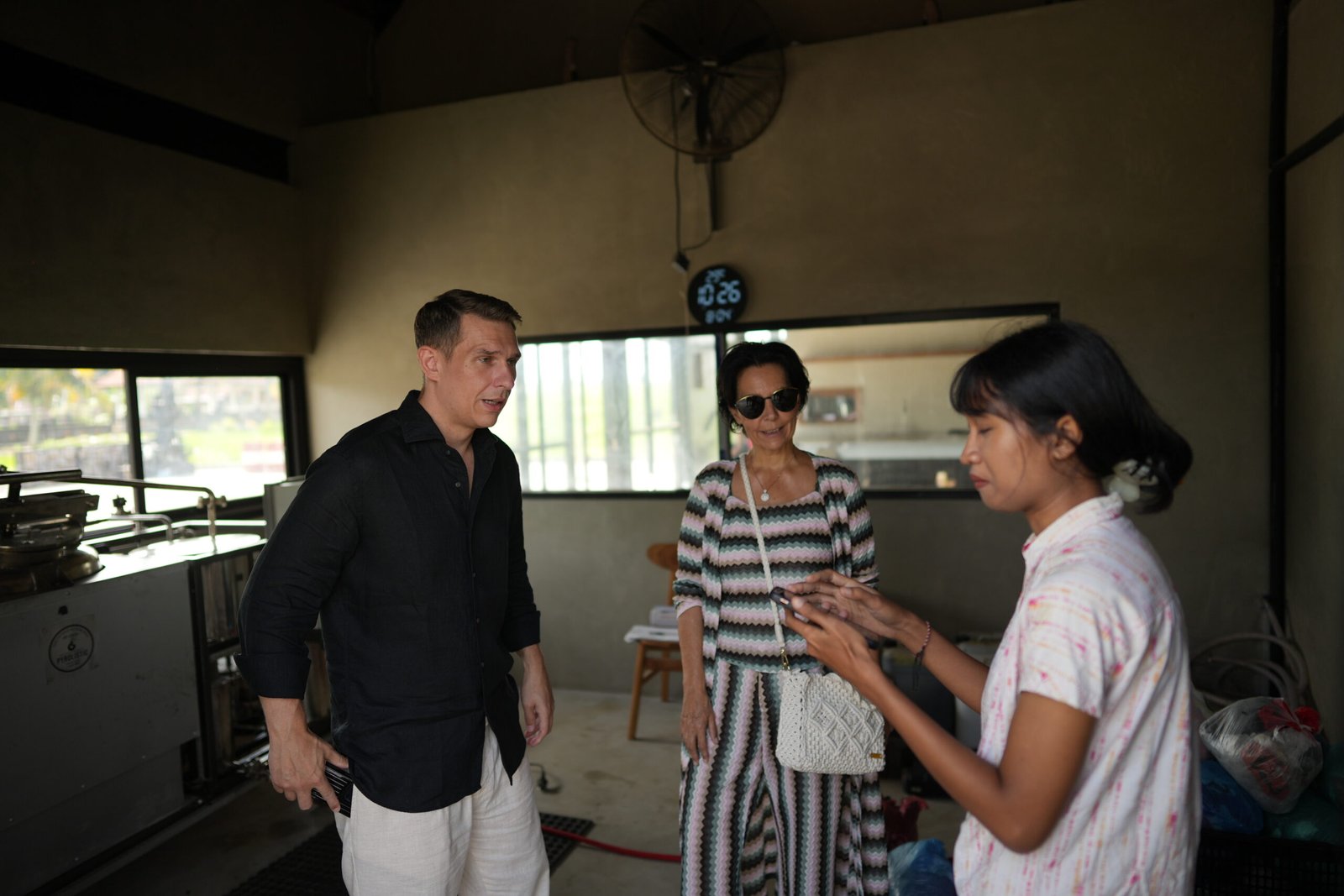
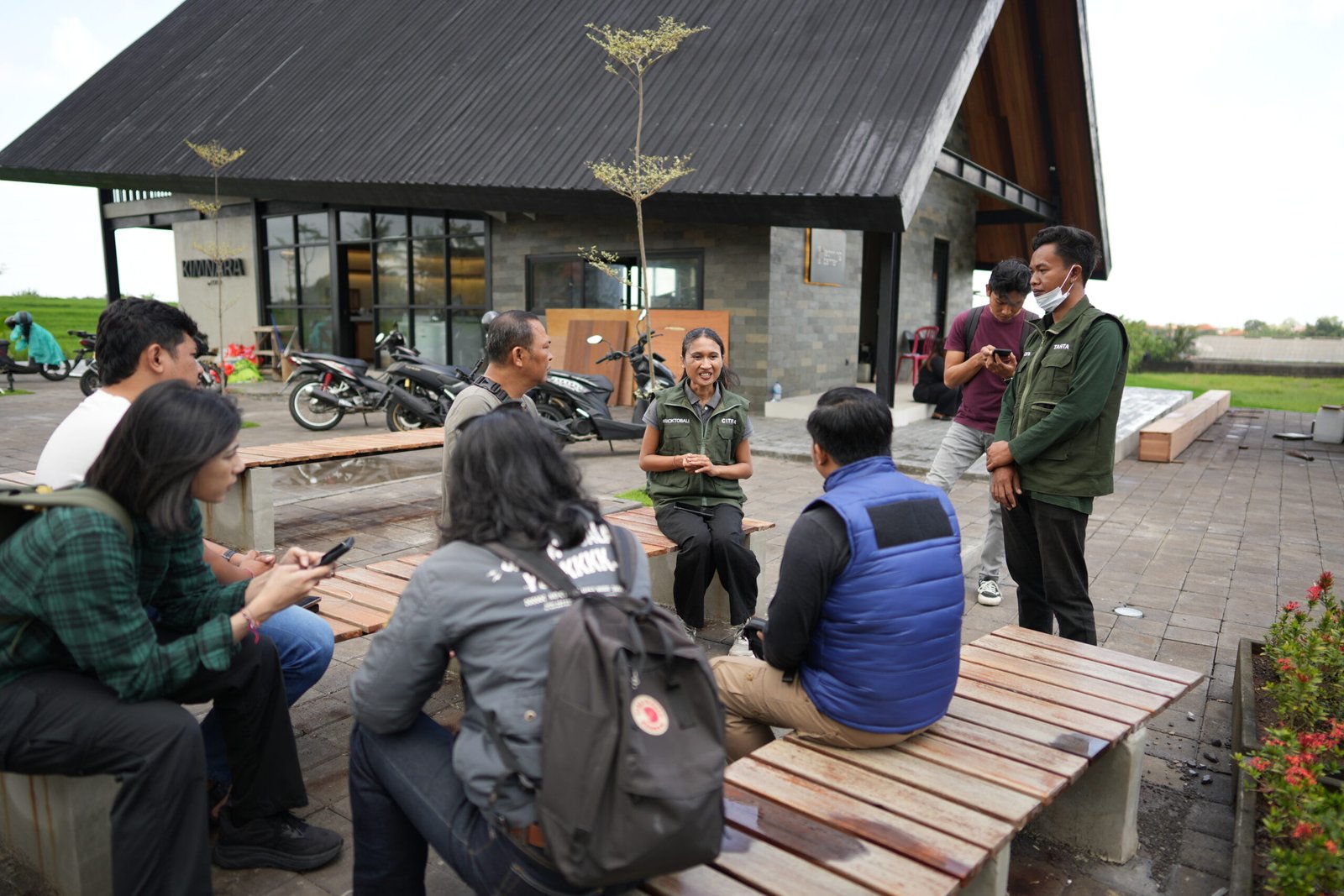
A delegation from University of Abdurachman Saleh Situbondo arrived at Cepaka Learning Center last week. They didn’t come just to look around. This campus visit to Cepaka Learning Center had a clear purpose: understanding how a pyrolysis machine turns plastic waste into fuel.
Cepaka Learning Center operates under COCO Social Fund, a social foundation in Bali. Many people know this foundation through its plastic waste processing program. The center also welcomes anyone who wants to learn hands-on, including campuses from outside Bali like University of Abdurachman Saleh Situbondo.
Campus Visit to Cepaka Learning Center, Watching the Pyrolysis Machine in Action
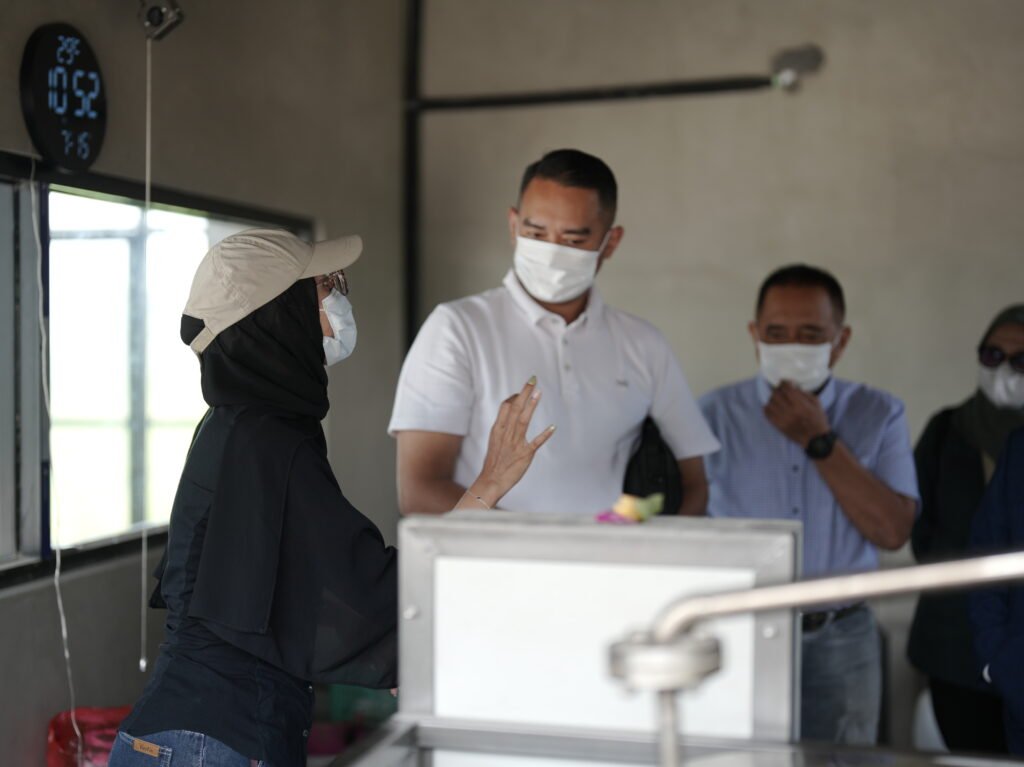
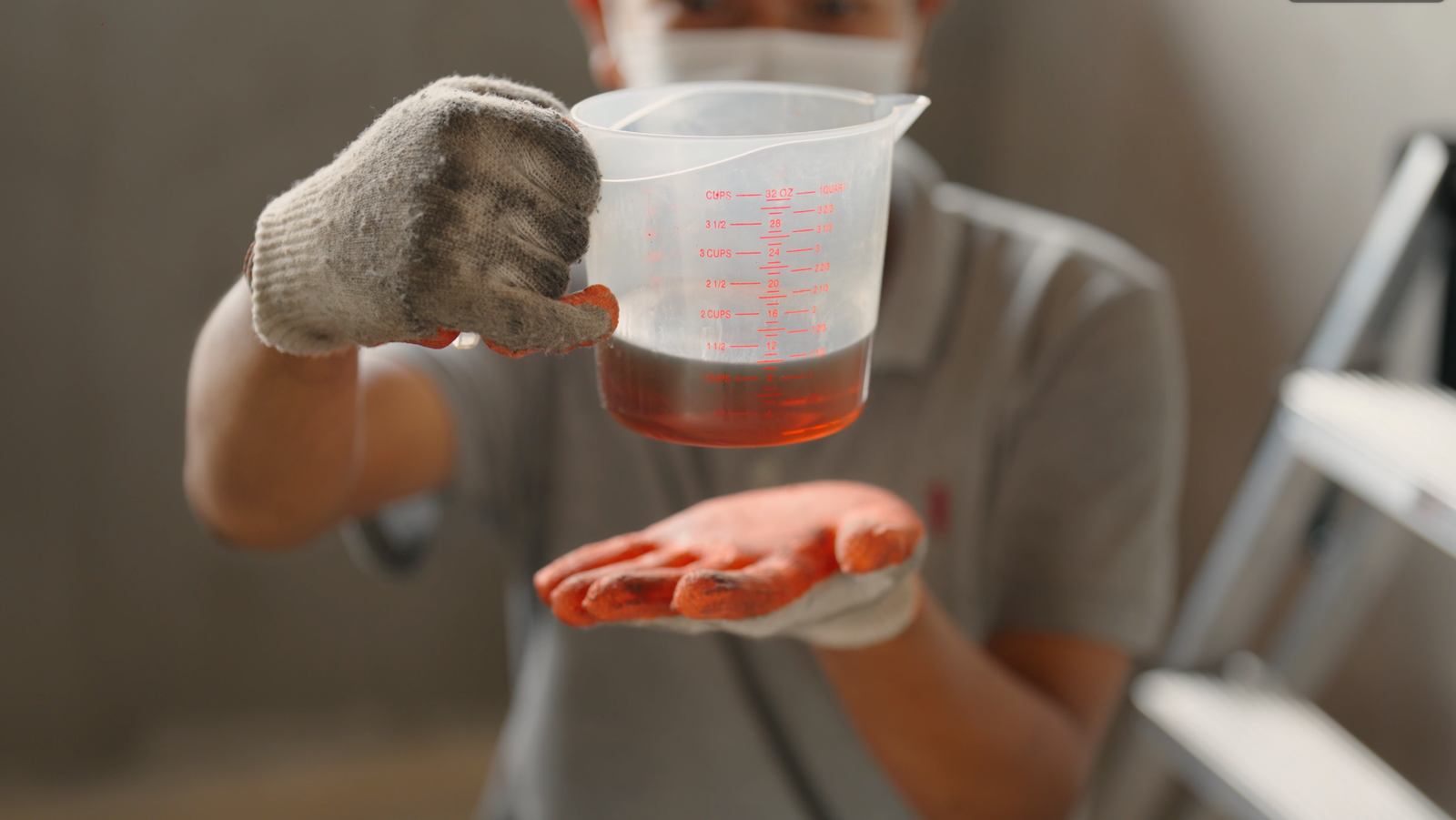
The Cepaka Learning Center team walked lecturers and students through the pyrolysis process step by step. The machine heats plastic waste without oxygen, then converts that heat process into liquid fuel. The process sounds simple on paper, but the group grasped it far more easily after watching the machine work in person.
The discussion stayed relaxed, not like a one-way lecture. Students asked plenty of questions about the machine’s efficiency, while lecturers focused more on its research potential. This atmosphere made the visit feel like educational tourism rather than a stiff, formal tour.
An Opportunity for Campus Application
The conversation then shifted toward something more practical: what if the campus applied this technology itself? Every day, campuses generate large amounts of waste, from food packaging to plastic bottles used by hundreds of students.
The delegation from University of Abdurachman Saleh Situbondo took this opportunity seriously. A campus isn’t just a place to study and research. A campus can also become the birthplace of real solutions for environmental problems that already sit right in front of everyone, every single day.
A Collaboration That Can Grow From One Visit
Visits like this often become the starting point for bigger collaborations. COCO Social Fund keeps its doors open for research partnerships and CSR programs in Bali involving educational institutions. Campuses bring human resources and research capacity, while the foundation brings proven field experience.
Collaborations like this also strengthen the broader community that cares about Bali’s environment and culture, since environmental solutions no longer stop at one location. They can spread to other campuses, other cities, even other islands through a connected academic network.
Closing Thoughts: From a Visit to Real Action
This campus visit to Cepaka Learning Center shows that learning about the environment doesn’t have to end in a classroom. Students and lecturers went home not just with notes, but with concrete ideas they could try applying on their own campus.
If one visit alone can spark this much discussion, more campuses should probably follow the same path: show up, see it firsthand, then go home with an action plan.