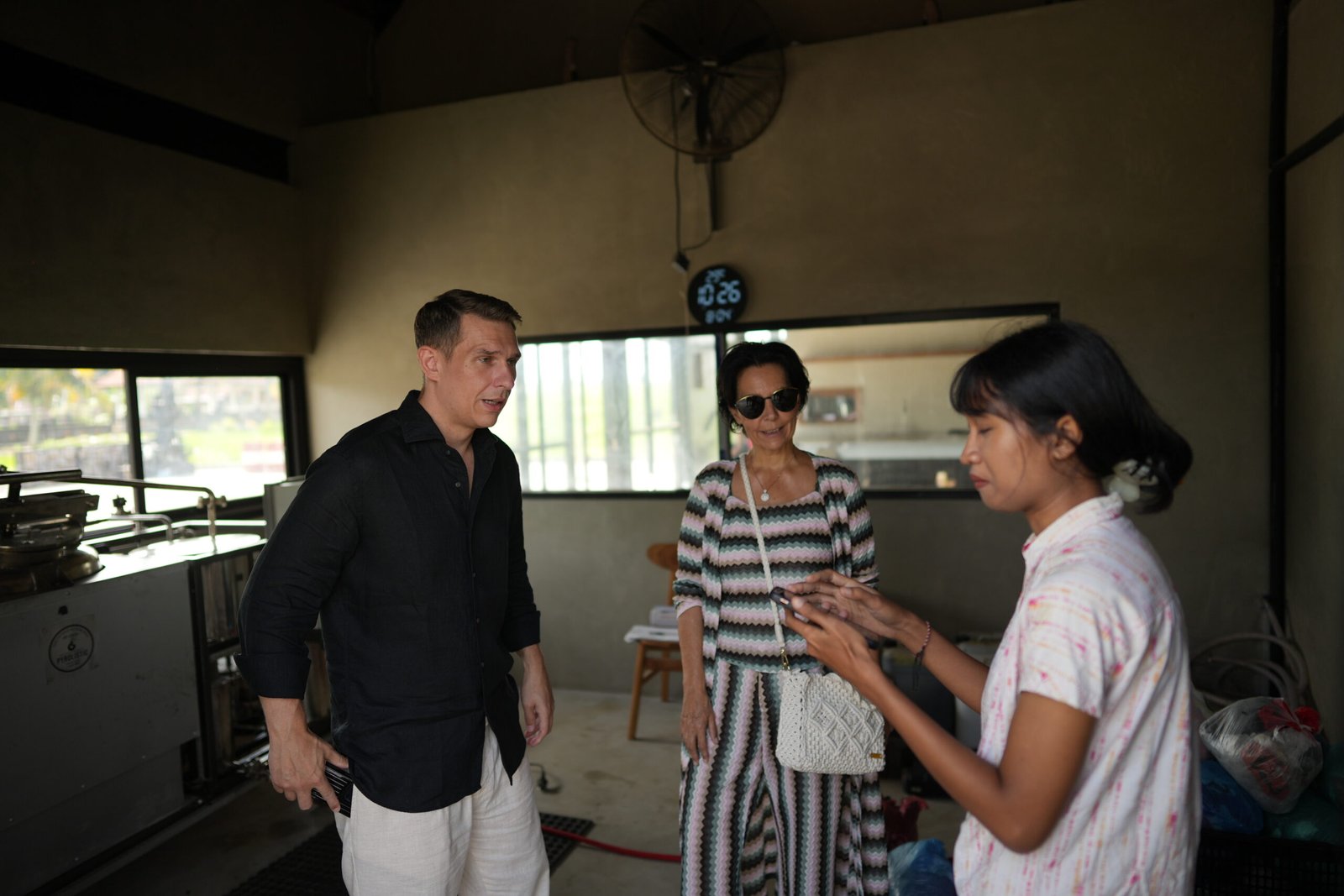
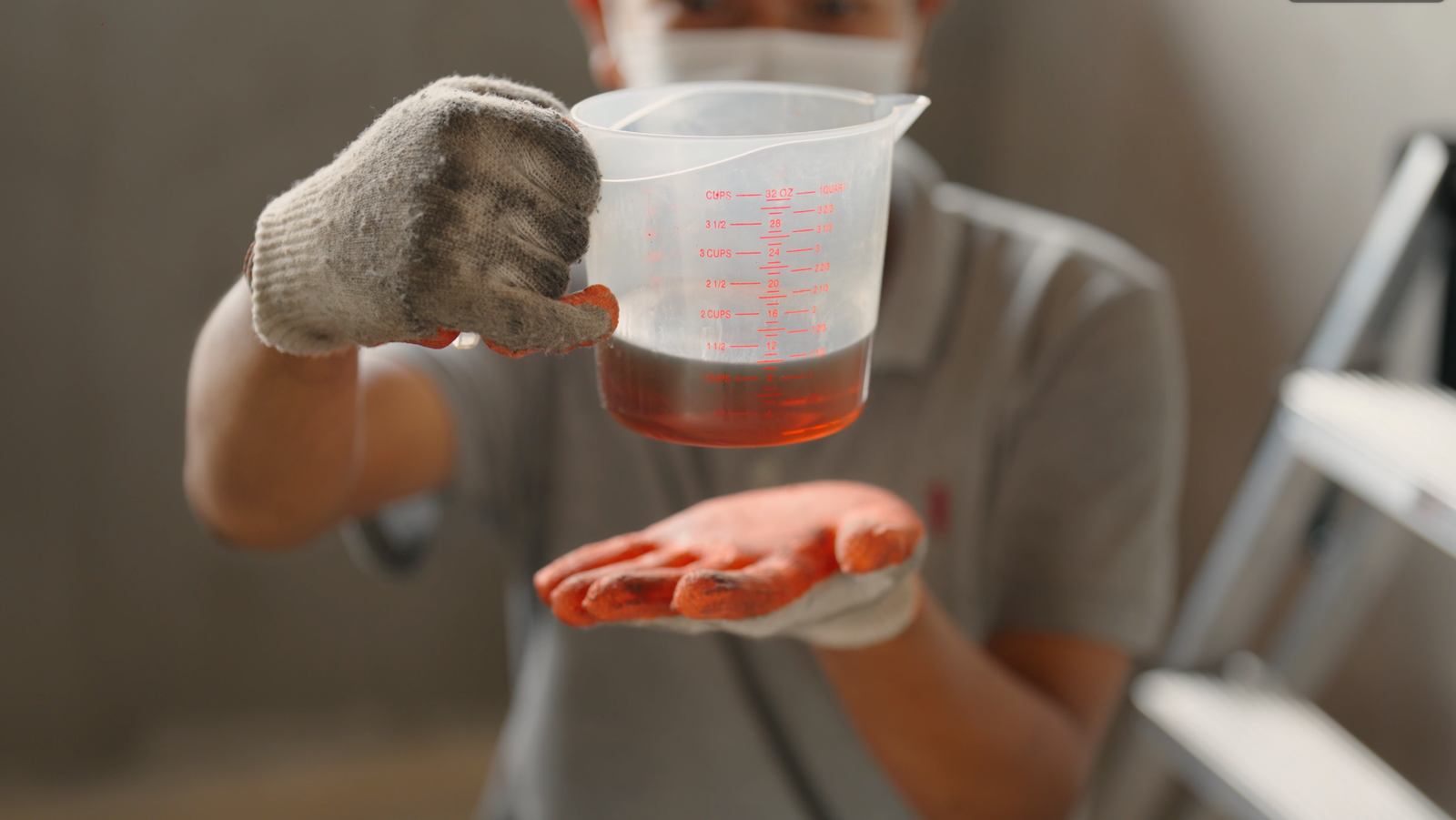
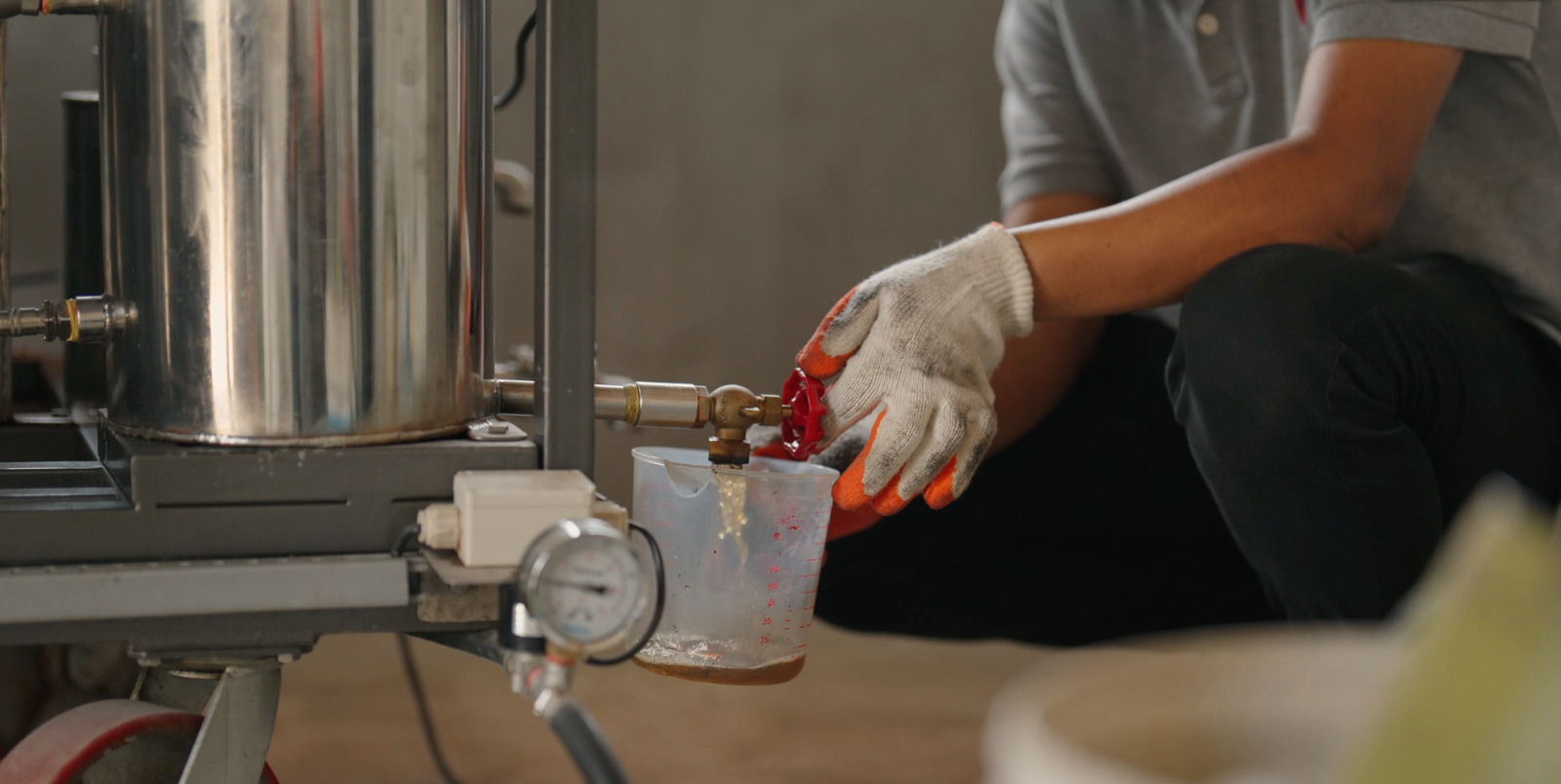
July 28, 2026 turned into a busy day for COCO Social Fund. On that same day, two different groups of guests came to see the plastic waste-to-fuel process firsthand. COCO Social Fund hosts Rotary and Polda Bali visit back to back, one in the afternoon and one later in the day, each with a purpose that complements the other.
It’s no coincidence that two very different institutions took interest in the same thing. The pyrolysis process the foundation has been running clearly catches attention, both for its technical side and its social impact.
COCO Social Fund Hosts Rotary and Polda Bali Visit in a Single Day
The day’s schedule split into two sessions. Rotary arrived first in the early afternoon, while the Polda Bali delegation followed later in the day. Despite coming from very different backgrounds, an international humanitarian organization and a regional police institution, both groups shared the same interest: understanding how the pyrolysis machine works up close.
Rotary Learns the Pyrolysis Process in the Afternoon
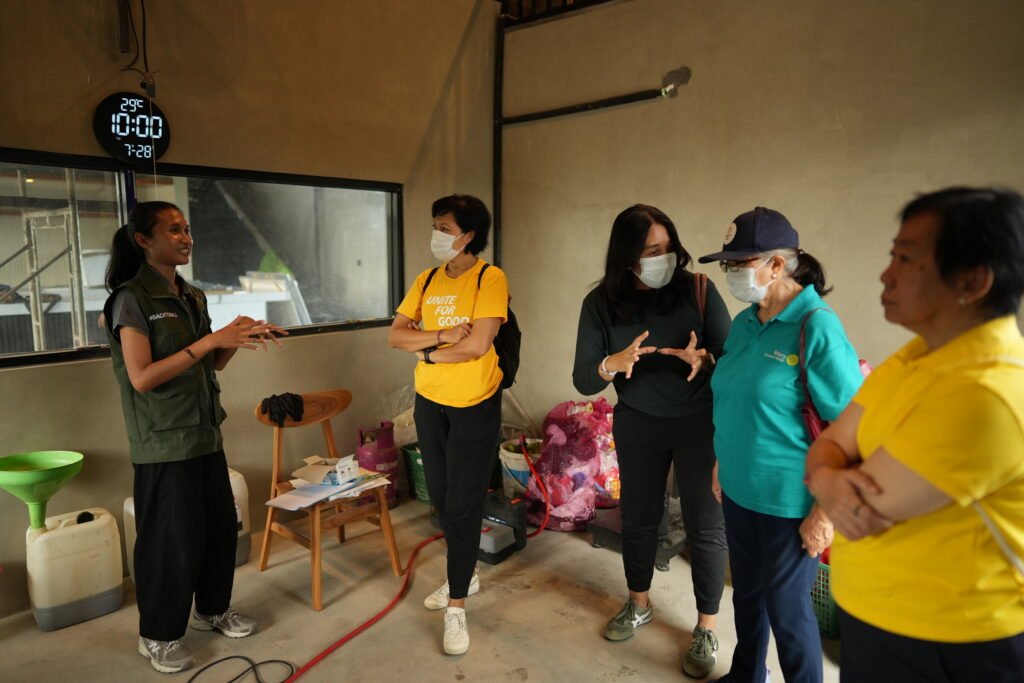
Rotary arrived with a specific goal: learning about the process of turning plastic waste into diesel fuel through pyrolysis. As an organization known for staying active across various humanitarian projects, Rotary had strong reason to understand the technical details behind this technology, from the plastic types used to how the end product benefits residents.
A visit like this usually marks a first step before an organization considers replicating the model or offering further support. Rotary didn’t just stop by for formality. They came to genuinely understand how the process works on the ground.
Polda Bali Appreciates the Plastic Waste Processing Innovation
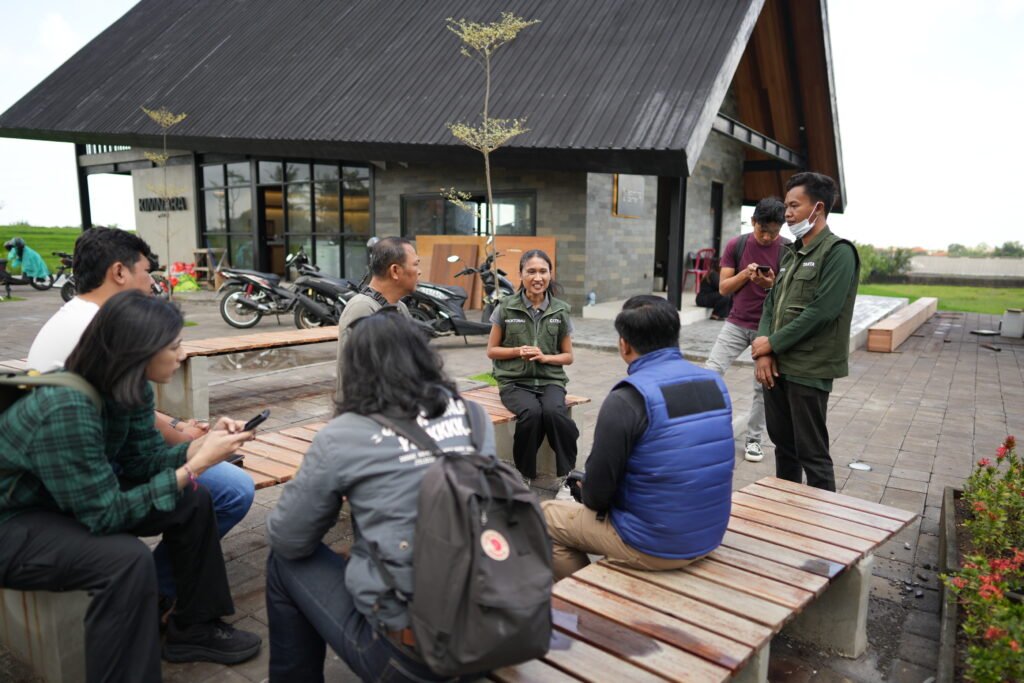
A few hours later, Polda Bali’s turn arrived. This visit carried a different tone from Rotary’s. Polda Bali came both to appreciate and to learn about the pyrolysis process that turns plastic waste into diesel fuel, an effort COCO Social Fund has run for some time now.
From Appreciation to Technical Understanding
The presence of a police institution in a visit like this deserves attention. Far from a mere ceremony, the Polda Bali delegation also learned how the plastic waste-to-fuel process actually runs, from the plastic sorting stage through to the finished product ready for use. Their appreciation felt more meaningful because it came paired with direct understanding, not just a ceremonial visit.
Why Visits Like This Matter for a Social Foundation in Bali
For a social foundation in Bali like COCO Social Fund, a visit from an organization as large as Rotary and an institution like Polda Bali carries more weight than simple publicity. Trust from external parties, especially ones with wide networks, opens doors to collaboration that might not have surfaced otherwise.
Every visit also gives COCO Social Fund a chance to explain its mission again: turning hard-to-recycle plastic waste into a real solution for the surrounding community, particularly Cepaka Village residents who feel the program’s benefits directly on an ongoing basis.
CSR Programs in Bali Gaining Attention Across Different Circles
Hosting both Rotary and Polda Bali in a single day also sends an interesting signal to companies looking for CSR programs in Bali with verifiable credibility. When an institution as large as a regional police force and an international humanitarian organization both take interest in learning about the same program, that becomes a strong indicator the program deserves consideration as a collaboration partner.
This kind of cross-sector interest, spanning social organizations to government institutions, shows that plastic waste-to-fuel processing has moved beyond mere environmental talk. It’s becoming a solution different parties are starting to take seriously.
Closing Thoughts: COCO Social Fund and Growing Trust
COCO Social Fund hosts Rotary and Polda Bali visit on the very same day, and that’s no small achievement. Two institutions from very different backgrounds arrived with the same goal: understanding how plastic waste can turn into fuel that genuinely helps people. Trust like this doesn’t build overnight. It comes from consistently running a program that delivers real impact, one visit at a time.