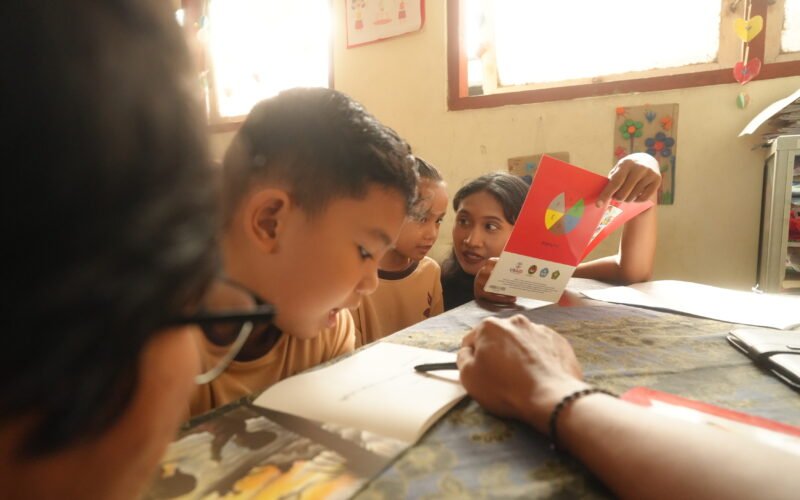
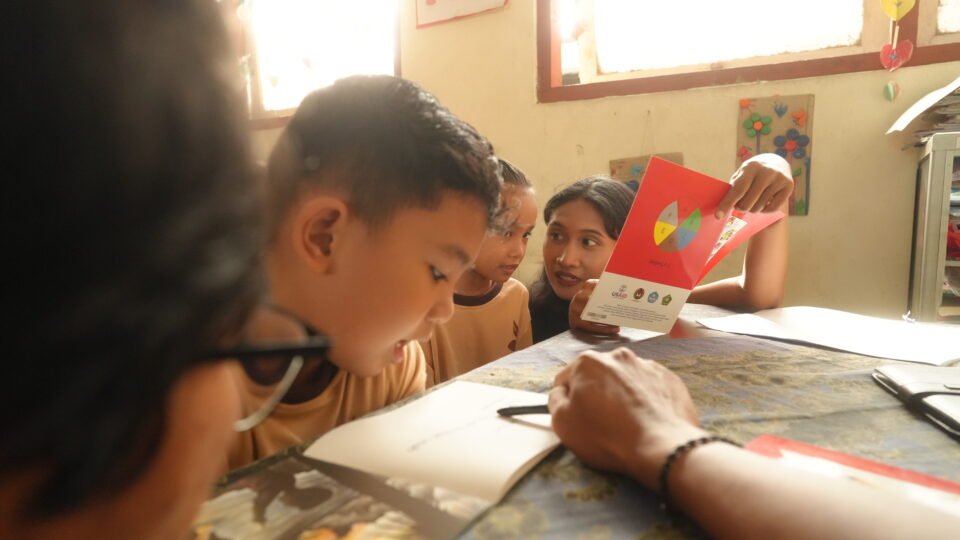
On Saturday, October 17, 2026, children from Cepaka Village walked through the rice fields around Kimnara Space while listening to an explanation of how rice is planted. The rice fields that usually form the backdrop around Kimnara Space turned into a classroom for the day. This was a session of Petani Cilik, or Little Farmers, by COCO Social Fund, a farming education program for the generation that may one day take over from today’s farmers.
What Is Petani Cilik?
On COCO Social Fund’s official website, Petani Cilik sits under the Education & Culture pillar, alongside Kelas Literasi and Pasraman Day. Its description is short: through hands-on agricultural education, children reconnect with the land, learn sustainable farming techniques, and understand the value of organic growth.
The same site says CSF supports local farmers and young people through education and empowerment. Petani Cilik is one expression of that, with children as its participants.
Walking the Fields, Understanding the Process
For a child growing up in a rice-farming village, paddies may be a daily sight. But the process behind those fields, from seedbed to harvest, may never have been explained. In general, growing rice goes through several stages: sowing seed, preparing the field, transplanting seedlings, tending the crop while managing water, then harvesting. In Bali, water management and planting schedules are coordinated through the subak, a traditional irrigation system recognized by UNESCO as a world cultural heritage.
In this first session, the explanation came from CSF team members because the activity was still a presentation of material.
The Aim: A Reference Point and a Next Generation of Farmers
CSF describes the program’s aim as creating a reference point and preparing the regeneration of farmers for the future. For the children, that means getting to know farming as a profession they can picture.
The reason shows up in the data. Statistics Indonesia (BPS) figures, quoted by the Ministry of Agriculture some years ago, put the average age of Indonesian farmers at about 55. Without a generation to carry on, rice fields could lose the people who work them.
In Bali, rice fields are also part of a cultural landscape, with the subak as a form of mutual cooperation that has run for generations. Introducing children to the fields helps preserve Balinese culture.
Read also: Pasraman Day COCO Social Fund: The Sekar Jagat Dance as a Lesson in Presence
From Irrigation Channels to Rice Fields: One Continuing Story
COCO Social Fund’s website tells how the foundation began with Cepaka’s irrigation channels. Waste piling up in the channels often causes flooding in the rainy season, submerging roads and cutting links between villages. Irrigation channels, at their core, water the fields around them, so CSF’s work on waste and its work on rice fields are connected, in the same village where the children learned.
Value for Partners and Readers
For any company weighing a CSR program in Bali, Petani Cilik shows support with a long horizon: the results only appear once these children grow up. For other social foundations in Bali, the program offers an example of educational activities for children in Bali that use the surrounding environment as the classroom, with no new building required. Kimnara Space, known as an educational tourism destination, is surrounded by rice fields that now double as a place to learn.
Closing Thoughts: Starting From One Presentation
Petani Cilik by COCO Social Fund began with a single presentation session. The direction it points to: introduce Cepaka Village children to farming early and prepare the next generation of farmers.
If your child has never seen a rice field up close, take them to the nearest one and ask a single question: where does the rice on this plate come from? A farmer’s answer at the edge of a paddy can be a more memorable lesson than a book.