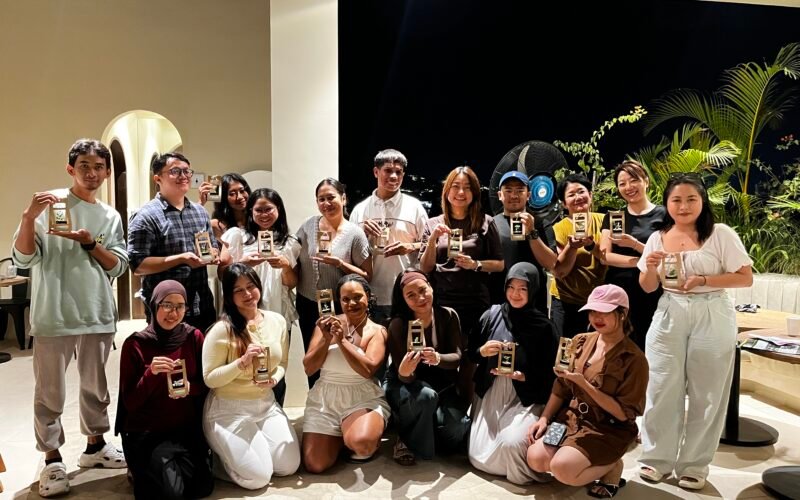
In one corner of the World Tourism Day 2026 celebration at Regent Bali Canggu, a monitor sits wired to a Nintendo click button. One press plays an outreach video made with Cepaka Village residents. The next press opens a follow-up chapter. Beside the screen, a COCO Social Fund team member explains what’s being watched. This is the Digital Circular Journey, an interactive experience COCO Social Fund brought, together with Eco Tourism Bali, on October 9, 2026.
The audience is hotel, restaurant, and café (HORECA) professionals along with the wider public. They’re invited to trace how the circular economy works in Cepaka Village through button presses and live stories from the field team.
Why Tourism Needs a Story About Waste
The tourism industry can leave a mark on nature and the environment, and it can raise concerns about local residents’ welfare when there are gaps in community empowerment. That background is what pushed COCO Social Fund to build a digital experience about Cepaka Village’s circular economy journey.
The belief behind it is simple. Small steps that keep moving forward build everyday sustainable habits, and those habits can invite collaboration across sectors. In the activity’s design, the end goal is framed as a resilient, sustainable tourism ecosystem built through tourism intelligence.
World Tourism Day 2026 and Its Digital Theme
Globally, World Tourism Day falls on September 27 each year. This year UN Tourism chose the theme “Digital Agenda and Artificial Intelligence to Redesign Tourism.” In his message, UN Secretary-General António Guterres called for a digital future for tourism that is open, inclusive, and human.
COCO Social Fund’s experience uses animation, video storytelling triggered by interactive buttons, and human storytellers. The approach touches that call: there’s a digital element, but the story is still delivered in person.
The Bali celebration is driven by Eco Tourism Bali, an independent organization focused on sustainable tourism practice. Last year’s edition took place on October 8, 2025 at The Meru Sanur, with around 300 participants. This year the event moved to Regent Bali Canggu, the first Regent hotel in Indonesia.
Four Buttons, Four Stages of the Journey
Each button opens one chapter, running in order from the root of the problem to its end result.
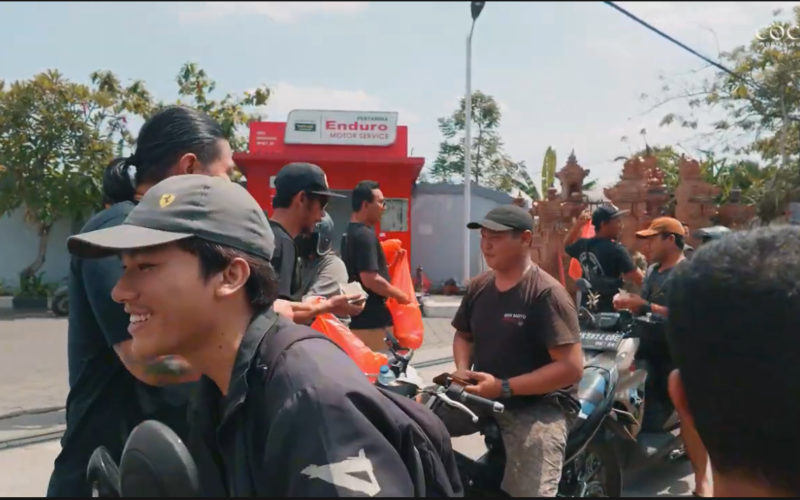
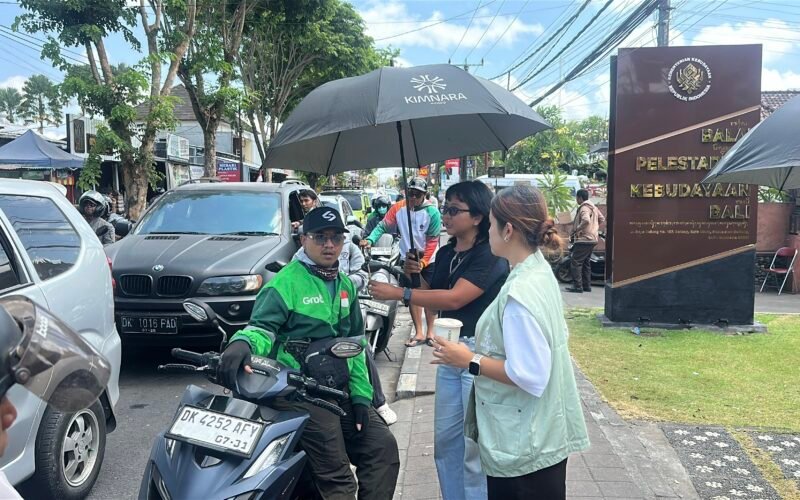
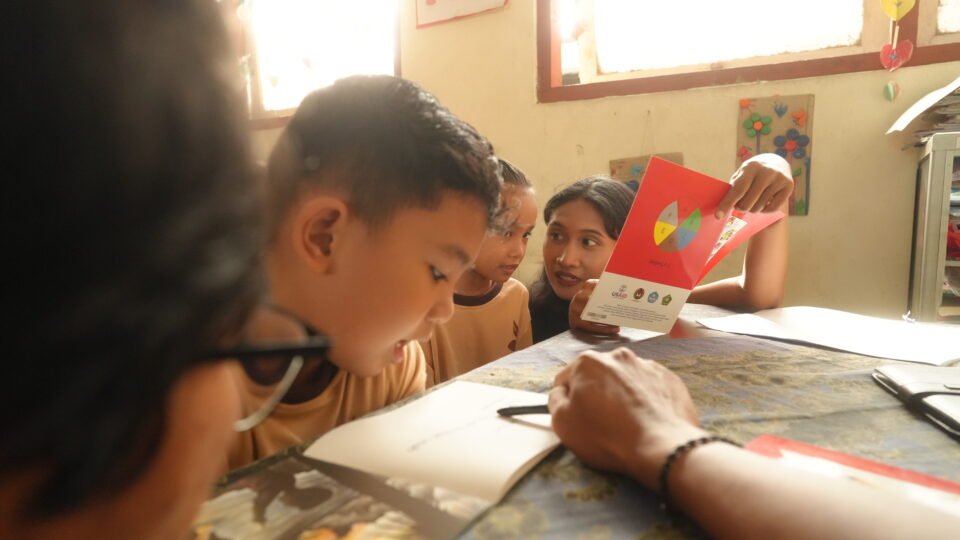
The first video shows COCO Social Fund’s opening step before the pyrolysis program launched: outreach to Cepaka Village residents. The team then explains why that step came first. Effective waste management depends on residents’ ability to sort organic, inorganic, and residual waste at the source, helped by dedicated trash bags. Even the most advanced machine struggles when the waste arriving is still mixed together.
The second video highlights the partnership with BUMDes (the village-owned enterprise) to separate plastic waste into seven categories: HDPE, LDPE, PS, PP, PET, PVC, and Other. This sorting decides the quality of the raw material. Clean, dry plastic supports optimal fuel production, while materials that aren’t permitted, such as PVC and PET, are screened out so they don’t end up in the pyrolysis machine.
A follow-up video introduces Cepaka Learning Center as the operational site for the pyrolysis technology. Visitors get a step-by-step summary of the machine, the types of fuel produced, and the residue-based byproduct, black carbon. The video also highlights the free distribution of fuel to local residents, for example to run waste-collection trucks and agricultural tractors.
The final video shows how this circular initiative connects to Kimnara Space. Culinary visitors can tour the pyrolysis facility and learn firsthand how plastic waste is managed. Looking ahead, black carbon is planned to become creative economy products like souvenirs and coffee coasters. Those products could support Kimnara’s operational equipment, lift its interior and exterior look, and serve as extra items for customers.
Read also: Waste to Worth at Coco Lifestyle Resort: Craft in Stillness
That direction already has a precedent. In the Waste to Worth workshop, carbon residue was turned into resin flower pots.
A Map HORECA Businesses Can Copy
The four buttons form a working order for any hotel, restaurant, or café: sort at the source, learn the plastic types, find a processing partner, then think about adding value to what’s left over. Not every business has a pyrolysis machine, but the way of thinking applies anywhere.
This four-stage pattern echoes the Cepaka Waste Journey for school students, with its Sort It, Transform It, Return It, and Revalue It stations. The difference is that the audience this time is industry professionals. Both show Cepaka Village building itself into an educational tourism destination.
For any company weighing a CSR program in Bali, the division of roles is easy to read here. A social foundation in Bali designs the program, BUMDes and residents do the sorting, and businesses can support it by sorting at their own sites or through partnership.
Closing Thoughts: Four Clicks Starting From One Habit
The Digital Circular Journey compresses Cepaka Village’s waste journey into four clicks. The screen presents the story, and the COCO Social Fund team adds the live telling.
If your business wants to start, the first two buttons point to steps you could try from tomorrow: separate wet and dry waste, then collect clean, dry plastic apart from everything else.