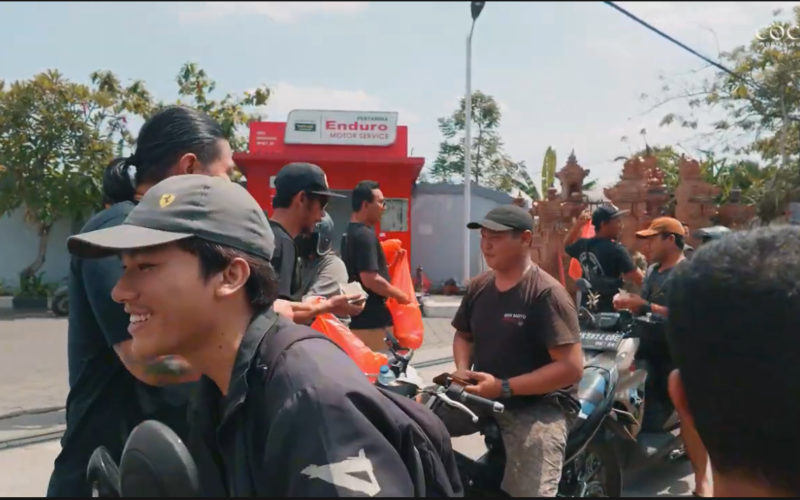
Field trips usually end with kids sitting through an explanation, then heading home with a folder full of brochures. Cepaka Waste Journey took a different route. On September 28, 2026, students from SMP Kalam Kudus Bali didn’t just listen. They moved through four learning stations holding a passport that needed a stamp at every stop, almost like exploring a string of small countries themed around waste and the circular economy.
Officially called Cepaka Circular Journey, the program is an environmental education format COCO Social Fund built for schools visiting Cepaka Village. The SMP Kalam Kudus Bali visit stands as one real run of this program, and its format shows educational tourism doesn’t need to sacrifice fun to stay informative.
Four Stations, One Complete Waste Cycle
Rather than wandering without direction, students split into groups and moved through four stations, each representing a stage in the waste processing cycle. Every station carries a short, memorable name: Sort It, Transform It, Return It, and Revalue It.
Sort It: Getting to Know Waste by Type
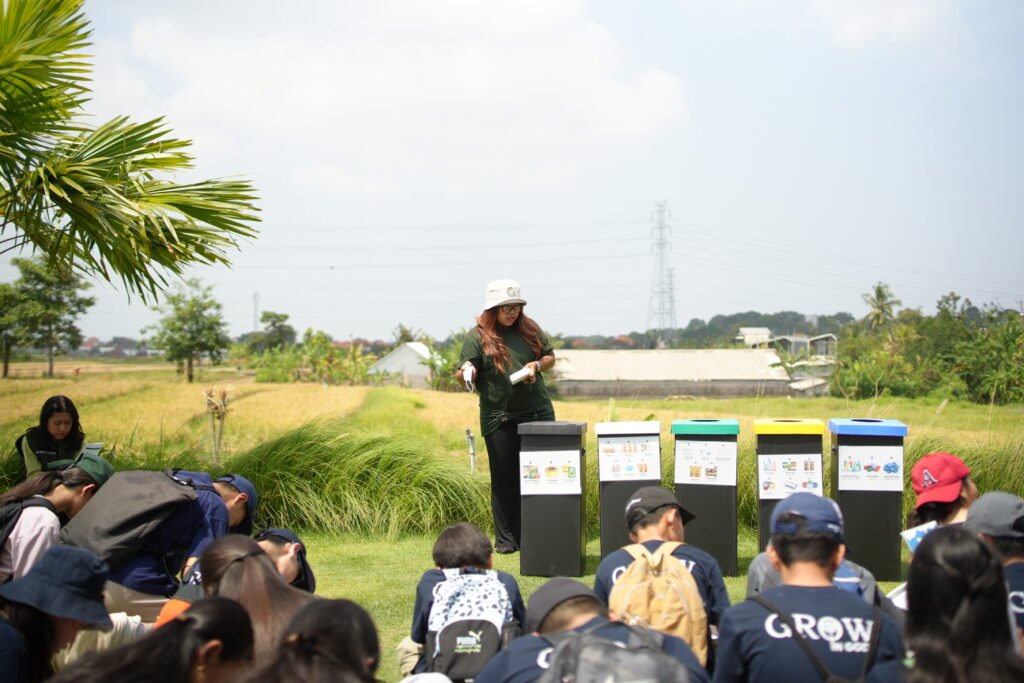
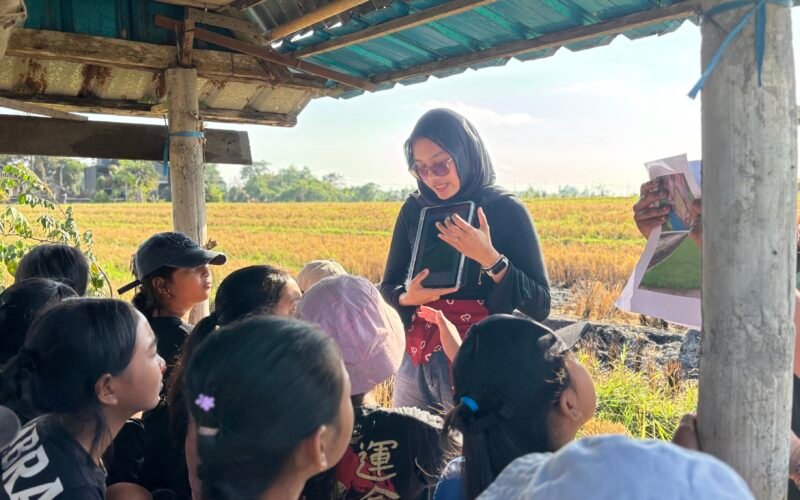
The first stop sat right beside Cepaka Learning Center, led by a facilitator teaching students the seven types of plastic waste. It wasn’t only about categories. Children also learned to tell apart plastic that the pyrolysis machine can process from plastic it can’t, complete with the technical reasoning behind each case. This lesson laid important groundwork, since correct sorting shapes everything that happens at the next station.
Transform It: Watching the Machine at Work
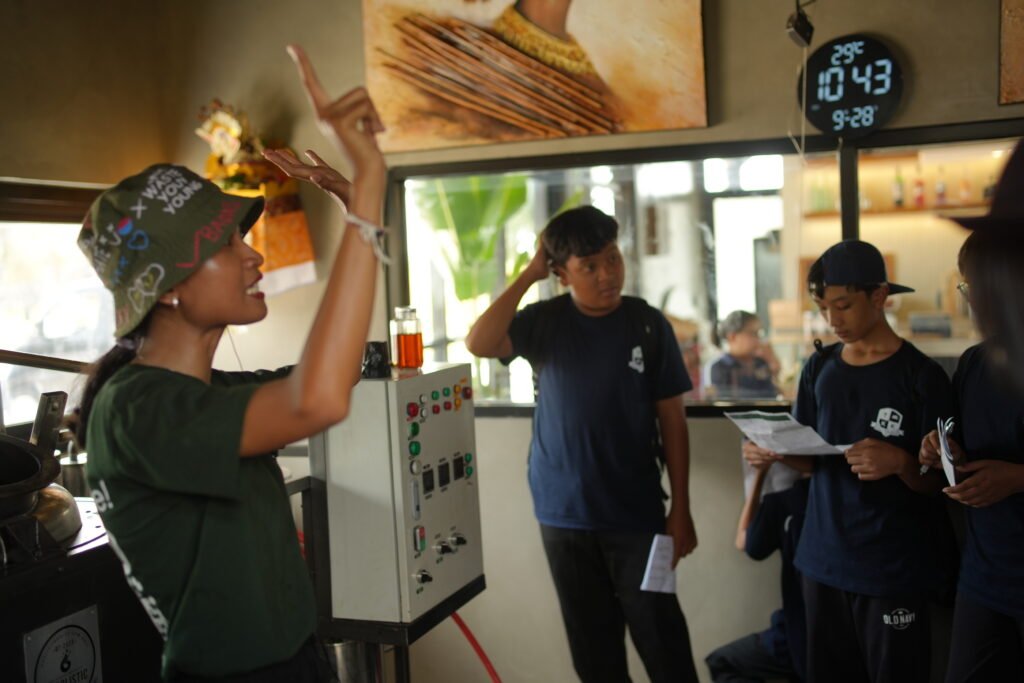
Still within Cepaka Learning Center’s grounds, the second station brought students closer to the program’s core: the pyrolysis machine. Here they learned what each part of the machine does and how the process turns plastic waste into fuel. Students who’d only heard the word “pyrolysis” from a textbook finally got to see the machine itself.
Return It: Learning From the School Next Door
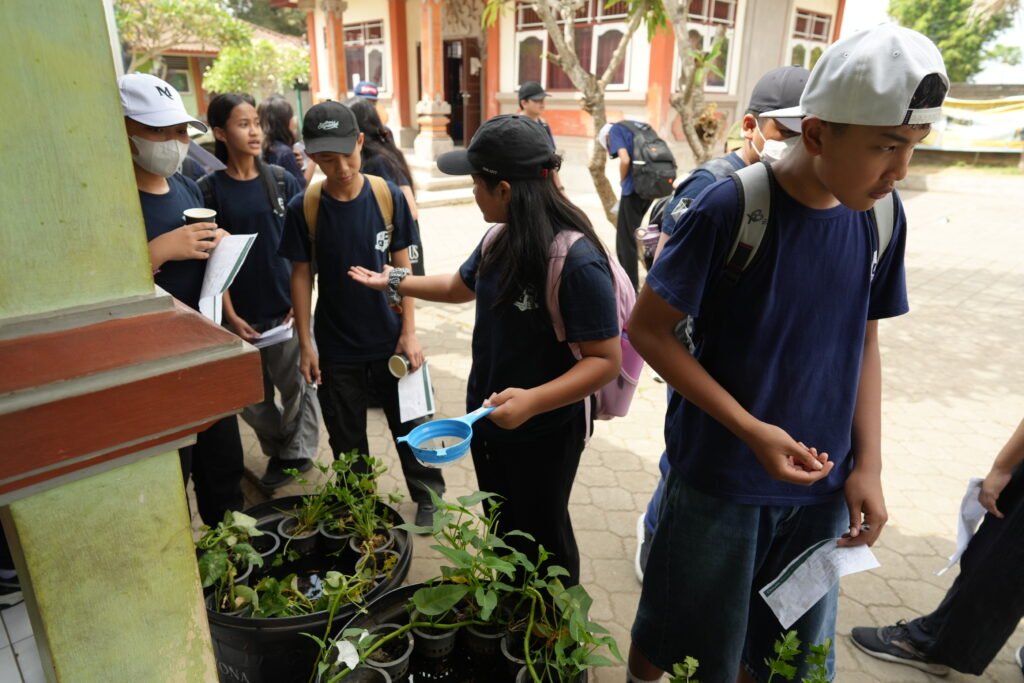
The third station shifted location to SDN Cepaka, the local elementary school serving as a real-world example of school-scale organic waste processing. SMP Kalam Kudus students learned the organic processing scheme already running at this elementary school. What made it interesting: they learned not just from adults. They learned from a system already operating at a school closer to their own age.
Revalue It: Seeing the Bigger Picture
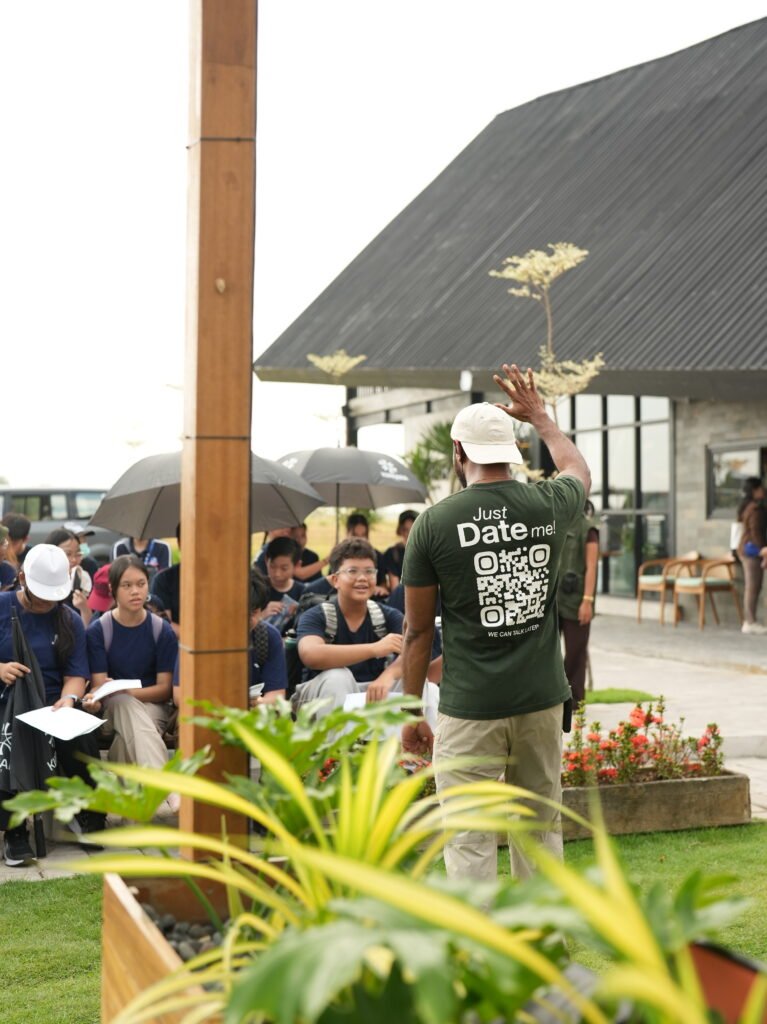
The final station took place at Kids Corner, where students were guided through the circular economy scheme COCO Social Fund has built as a whole. Collaboration between government and the company, and its benefits for the community, got explained in language suited for children. This station closed things out well, tying the three earlier stops into one complete picture of why the whole process matters.
Read also: Grand Opening Cepaka Learning Center: Doors Open, Proof Still in Progress
A Passport That Turned Learning Into a Game
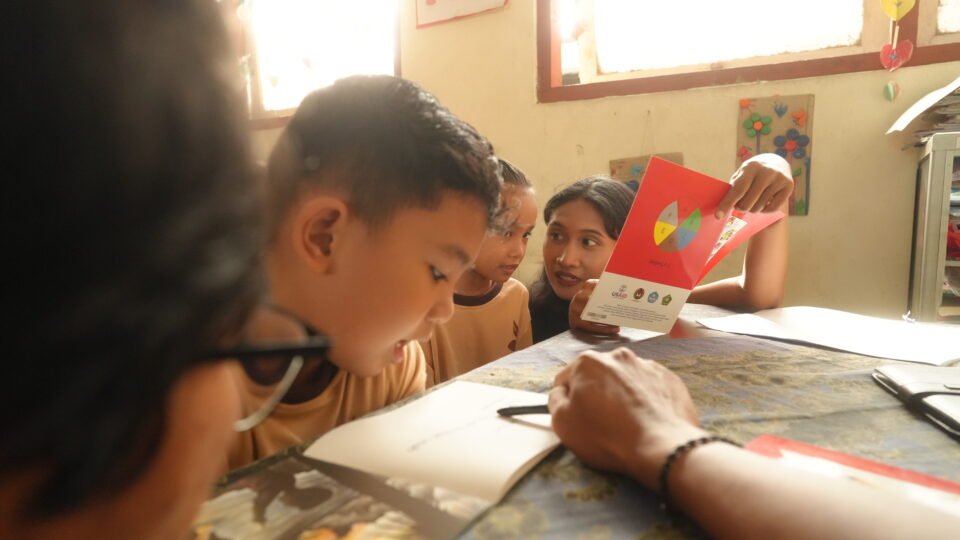
Throughout the four-station journey, every student carried a Circular Passport Journey, a small passport-style booklet filled in at each station visited. A total of 187 passports were printed for this visit, signaling a fairly large scale for an environmental education field trip.
That passport element shifted how children approached the activity. Instead of feeling like they were being “told to listen,” they had a mission to complete: collect a stamp from every station until the passport was full. Simple gamification like this often plants information far more effectively than a one-way lecture, especially for educational activities for children in Bali aimed at middle-school-age students.
Once all four stations were done, students regrouped on the main field for a shared reflection session. This is where something often missing from a typical educational visit shows up: children answered reflective questions, explained back the schemes they’d learned at each station, and stated what commitment they’d carry forward after completing the Cepaka Circular Journey.
A reflection session matters because freshly heard information tends to fade fast without being processed again. By giving students room to rebuild their own understanding, the program works to make sure its impact doesn’t stop the moment the school bus leaves Cepaka Village.
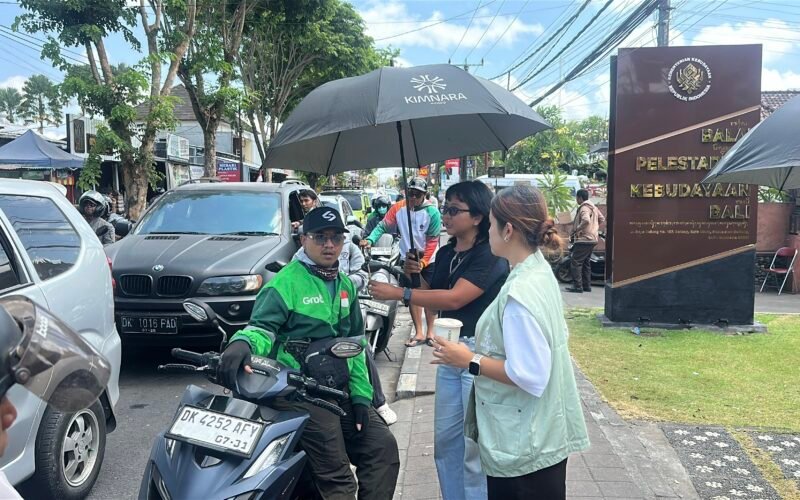
A field trip this size doesn’t run on its own. Group facilitators oversaw the rotation between stations, station leads focused on delivering content, a documentation team captured the day for promotional material, and an additional team handled cleanliness and security. Catering for 208 participants came from Kimnara, including a vegetarian option, while local pecalang (traditional Balinese security) helped escort the bus and manage parking.
Small details like these rarely register with participants, but they’re exactly what keeps a community empowerment program in Cepaka Village running smoothly. Local residents, accompanying teachers, and the COCO Social Fund team worked within the same flow, keeping a full day of activity moving without major hiccups.
Why Other Schools Should Take Notice
For schools looking for an educational tourism destination beyond the usual museum or zoo trip, Cepaka Waste Journey offers something different: a structured learning experience, measurable through a passport that can be checked for completion, and tied to a genuinely current environmental issue.
For other social foundations in Bali or companies weighing a CSR program in Bali, this field trip format shows how environmental education can be packaged into something repeatable across different schools, rather than a one-off event hard to replicate. The four-station passport model carries real potential to become a regular program, reaching a growing Bali environmental and cultural community of students over time.
Closing Thoughts: One Passport, Four Lessons, One Commitment
Cepaka Waste Journey proves an educational visit doesn’t have to choose between fun and informative. Through four stations that took SMP Kalam Kudus Bali students from waste sorting all the way to understanding the circular economy, one full day in Cepaka Village managed to package a serious lesson into something that felt like an adventure.
A passport filled with stamps by day’s end isn’t just a souvenir. It stands as small proof that students genuinely traveled through the full waste cycle, from category to value, and went home carrying something heavier than a memory: a commitment they spoke out loud themselves during the closing reflection.