206.25 kilograms. On paper it reads like a modest number. Picture the real thing instead: crushed bottles, snack wrappers, torn shopping bags, and brittle plastic fragments pressed into the sand at Batu Bolong. Volunteers gathered all of it in a single day during THE SWEEP Bali, a cleanup movement run by COCO Social Fund and now in its second edition.
Hundreds of people walked the streets and the shoreline of Canggu. They combed, picked, and sorted. What sets THE SWEEP Bali apart is what happened next — because the story didn’t end with a group photo and a pile of sacks.
What Is THE SWEEP Bali?
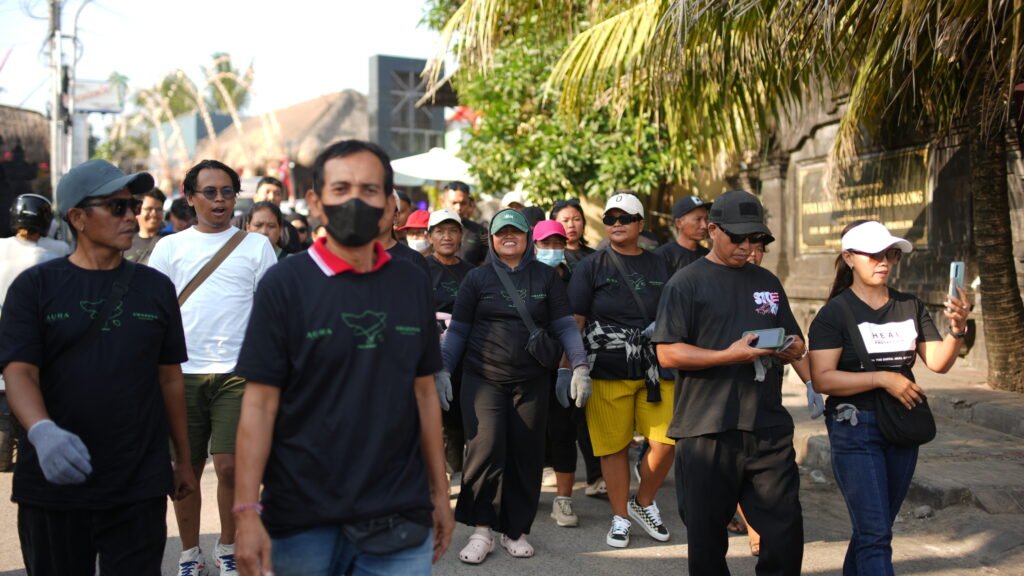
THE SWEEP: A Clean Day Across Bali invites anyone willing to show up. Locals, expats, students, community groups, and company teams work the same stretch of coast side by side.
This year marked the second run. That repetition matters. One-off cleanups tend to fade once the social media buzz dies down. Regular ones build habits instead.
COCO Social Fund operates across three areas: plastic waste processing, environmental education, and social aid for local communities. THE SWEEP Bali pulls all three into one working day.
Why Canggu and Batu Bolong Beach?
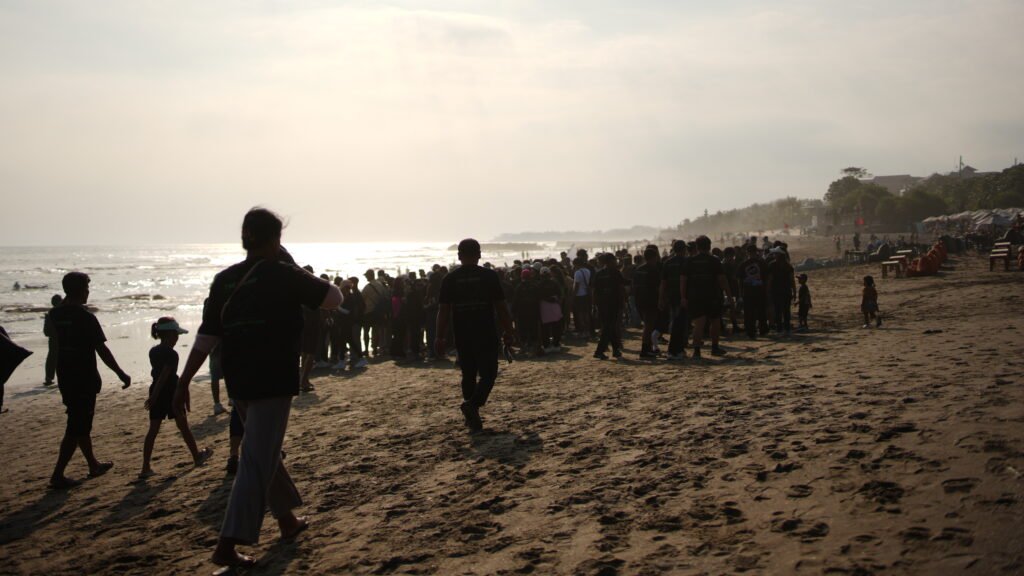
Canggu grows fast. New cafés open almost monthly, guesthouses stay full, and tourist traffic rarely slows. That growth carries a cost you won’t see on Instagram: waste volume climbing faster than the systems built to handle it.
Batu Bolong takes the hit from two directions. Rain pushes rubbish down drains and small rivers toward the sea. Then the waves throw a share of it straight back onto the sand.
So THE SWEEP Bali volunteers cover both — roadsides and shoreline. The logic is simple. Cleaning a beach while ignoring the source inland is like mopping a floor under a leaking tap.
The Real Work Starts After the Sacks Are Tied
Here’s the question few people ask after a beach cleanup: where does the waste actually go?
Honestly, most of it lands in a dumpsite. Clean, high-value plastic finds buyers easily. The rest — sachets, styrofoam, multilayer film, salt-degraded fragments — has almost no market at all.
THE SWEEP Bali takes a different route with that leftover.
Cepaka Learning Center: where the waste changes course
Every sack collected travels to Cepaka Learning Center. Staff there weigh it, sort it, and separate the material by type.
Recyclable plastic enters the recycling stream. The problem plastic doesn’t get dumped. A pyrolysis unit takes over.
Cepaka Learning Center doubles as a teaching space. Students, villagers, and visitors watch the process happen in front of them. That turns environmental education into something far more convincing than a slideshow.
Why pyrolysis?
Pyrolysis heats plastic to high temperatures without oxygen. No open flame means the process differs sharply from burning rubbish in a backyard. The long polymer chains break apart, then condense into a liquid that behaves like fuel.
The output serves as alternative fuel for machinery and operational equipment.
This solves one specific problem. Conventional recycling needs plastic that is clean and uniform. Beach waste is neither. Pyrolysis gives a destination to material that previously had only one — the landfill.
Worth saying plainly: pyrolysis is not a licence to keep producing single-use plastic. Treat it as a safety net for waste that already exists.
Upstream to Downstream: The Link Most Programs Miss
Plenty of people picture waste management as a single job. In practice it runs as a chain.
Upstream means awareness — residents and visitors cutting plastic use before it becomes waste. The middle covers collection and sorting. Downstream handles final processing such as pyrolysis.
Break one link and the rest stalls. Volunteers can gather tonnes of plastic. Without a processing facility, that pile simply relocates.
THE SWEEP Bali connects all three into a route you can trace. From the sand at Batu Bolong, onto a truck, across the scales at Cepaka, out again as fuel. That kind of transparency is what makes a program worth trusting.
Environment, Community, and Balinese Culture Move Together
Waste in Bali is never only an environmental issue. Beaches host ceremonies. Rivers carry meaning within Tri Hita Karana — harmony between people, the divine, and nature.
Which is why COCO Social Fund doesn’t stop at rubbish. The foundation also runs educational activities for children and community empowerment work in Cepaka Village, including programs supporting Balinese cultural preservation.
Read also: Pasraman Day: Balinese Cultural Preservation Through the Children of Cepaka Village
Caring for the land and caring for tradition turn out to follow the same path.
How to Join the Next THE SWEEP Bali
Programs like this run on participation. A few ways in:
- Volunteer. No special skills required. Show up, bring a reusable bottle, accept that you’ll get a bit dirty.
- Bring your company team. Many businesses look for a CSR program in Bali with measurable results. THE SWEEP Bali delivers hard numbers — kilograms collected, waste types, processing outcomes.
- Donate. Trucks, scales, operational fuel, and pyrolysis maintenance all cost money.
- Visit Cepaka Learning Center. A strong fit for schools or educational tourism groups that want to see a real process rather than read about one.
Learn more: Plastic Waste Processing at Cepaka Learning Center | CSR Partnership Opportunities with COCO Social Fund
One Day That Doesn’t End in One Day
THE SWEEP Bali proves something straightforward. A beach cleanup only counts when something follows it.
Those 206.25 kilograms didn’t vanish. They moved from the Canggu coastline to Cepaka Learning Center, then changed form into something still useful.
The second edition is done. The third one needs more hands. And the most reliable way to keep Bali worth visiting hasn’t changed: people showing up together.


