Turning Plastic Waste Into Fuel: Here’s Why It Works
Shampoo bottles, water jugs, buckets, plastic bags, snack wrappers, detergent packaging. All these objects look completely different from one another. But they share one…
Household sorting, BSF composting and pyrolysis in Cepaka, Tabanan: low-value plastic becomes diesel and gasoline that powers the village.
Most waste programmes stop at collection. Ours continues until the material comes back to the village as something useful — which is what keeps the community taking part.
Residents separate organic, inorganic and residual waste at home, using three bags we provide.
The village-owned enterprise collects the sorted waste on a fixed schedule, and we monitor consistency.
Plastic is sorted by resin type. PVC and PET are taken out; LDPE and multilayer film go forward.
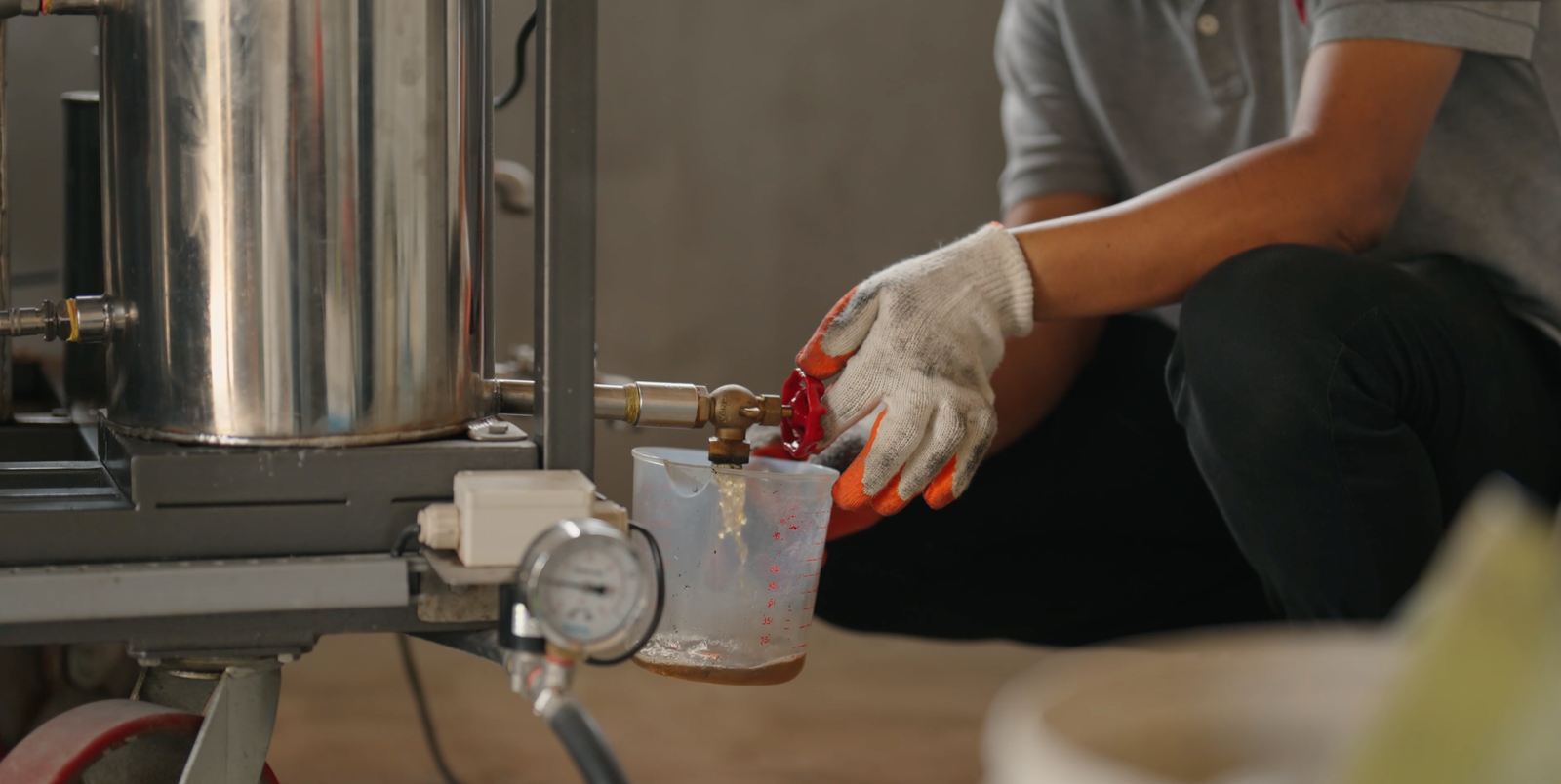
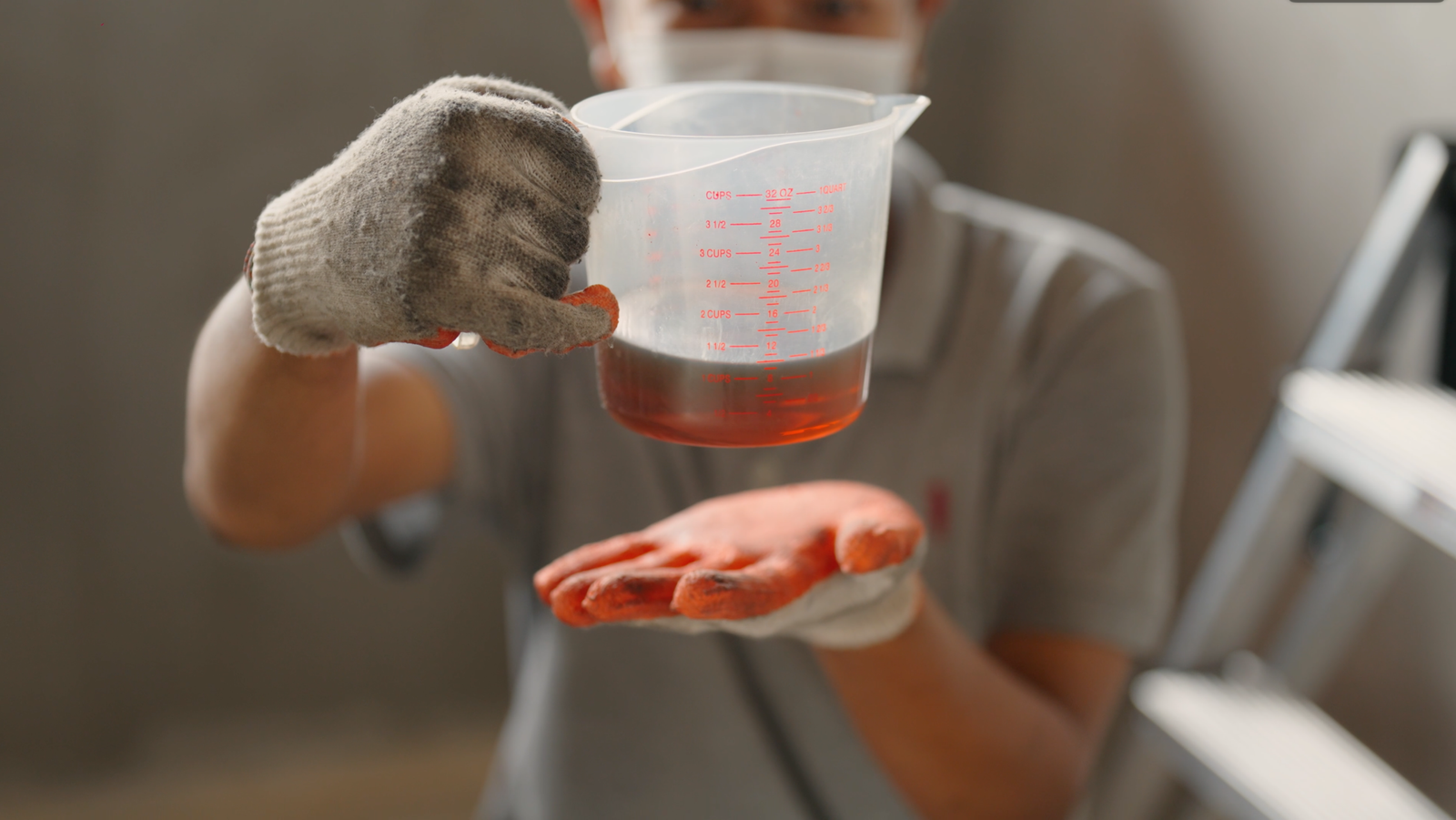
Heated without oxygen at the Cepaka Learning Center, low-value plastic becomes diesel, gasoline and kerosene.
The diesel runs farm tractors, the waste collection truck and land-clearing equipment.
The loop closes here: fuel made from village waste powers the vehicles that collect the next batch of village waste.
Waste is processed in the village, so the economic benefit stays with residents.
We take the film and multilayer plastic that recyclers reject — the material with nowhere else to go.
Black carbon left after pyrolysis becomes ashtrays, vases and coasters.
Upstream, we teach residents to sort waste into three categories and turn organic waste into fertiliser with Black Soldier Fly larvae. Downstream, our own operators run the pyrolysis machine — sorting permitted plastic, holding high temperatures and solving technical problems such as cleaning the cyclone tube — to turn low-value plastic into fuel.
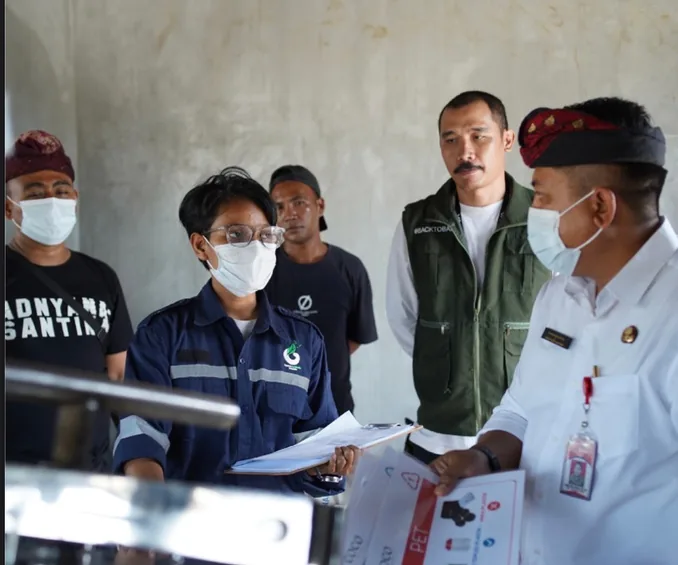
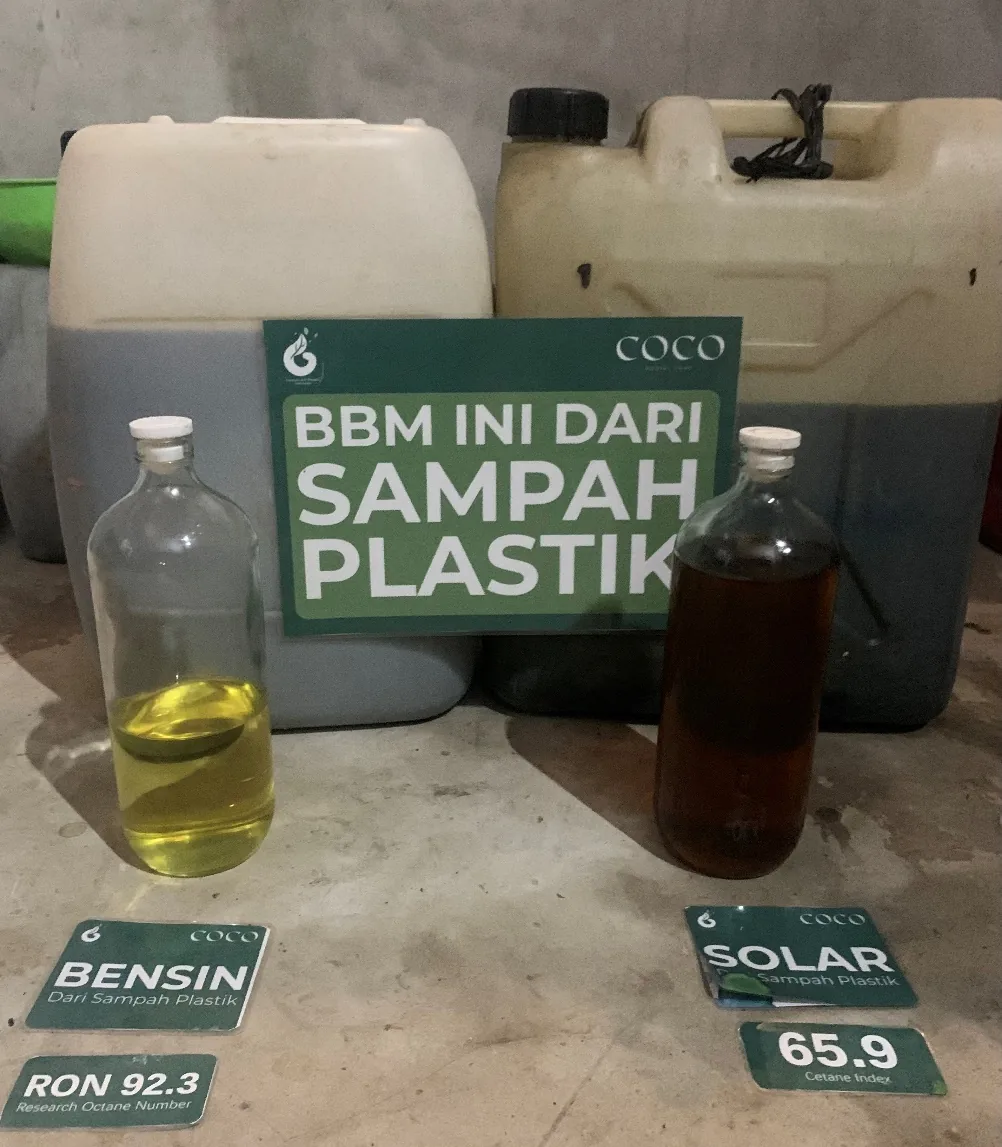
Heated without oxygen at the Cepaka Learning Center, sorted plastic becomes gasoline (bensin), diesel (solar) and kerosene. The fuel goes straight back into village work: farm tractors, the waste collection truck and land-clearing equipment.
Nothing is left over. The black carbon that remains after pyrolysis is upcycled into vases, ashtrays and coasters.
From Plastic Waste to Power: Proven Efficiency of Our Pyrolysis System.
*This data is updated daily
Per activity, largest first. Plastic processed by pyrolysis is part of this total.
How plastic waste becomes fuel through pyrolysis at the Cepaka Learning Center: the science, the trainings and the people running the machine.
Shampoo bottles, water jugs, buckets, plastic bags, snack wrappers, detergent packaging. All these objects look completely different from one another. But they share one…
Not every piece of plastic waste belongs in a pyrolysis machine. Pick the wrong plastic type, and the oil output shrinks, the quality drops,…
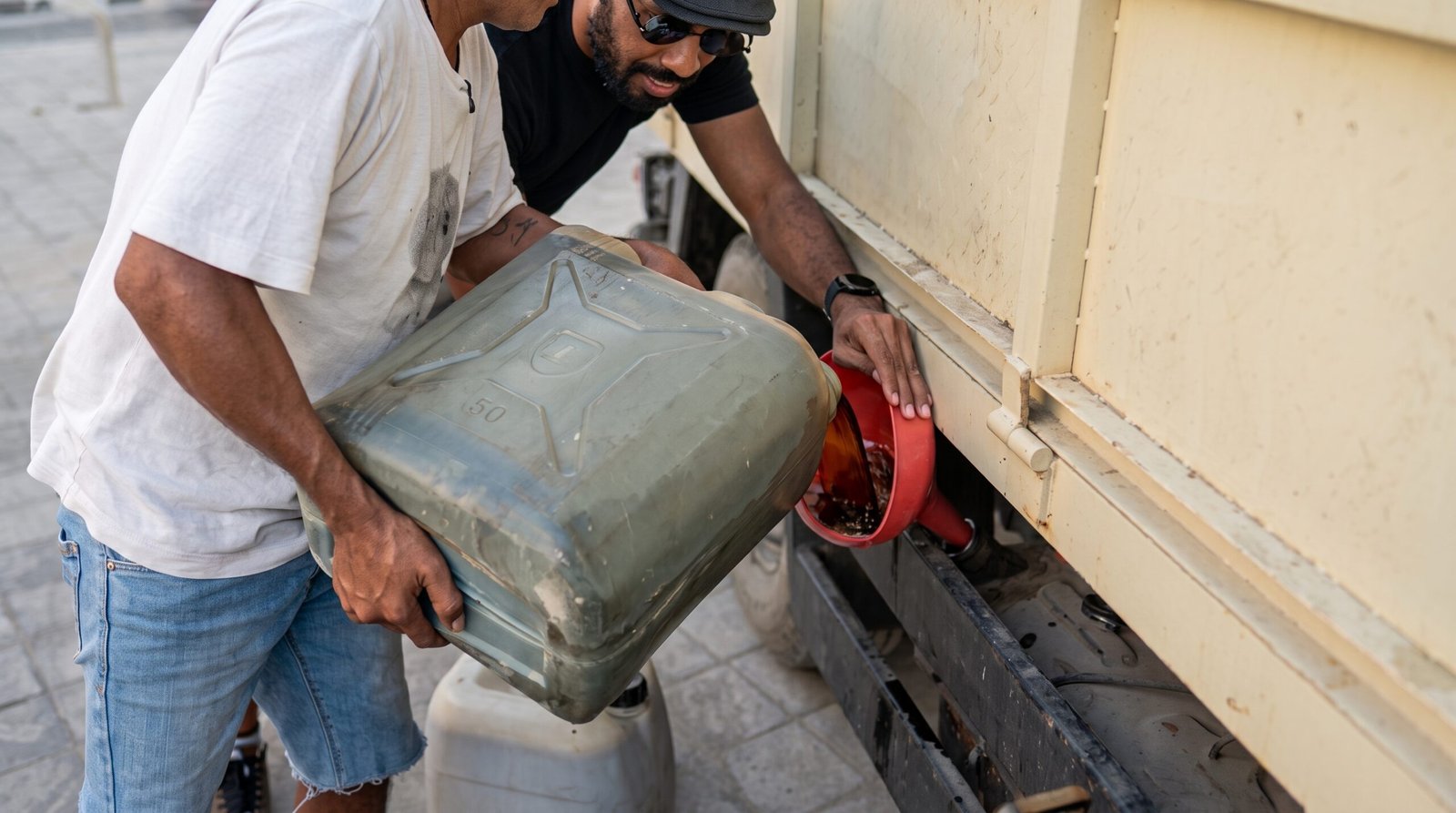
A garbage truck in Cepaka Village usually only runs when its tank has diesel. Now, part of that diesel comes from plastic waste that…

At the Badung CSR Forum 2026, COCO Social Fund's Vander Soukotta presented pyrolysis and village CSR collaboration. CSF also received an award.
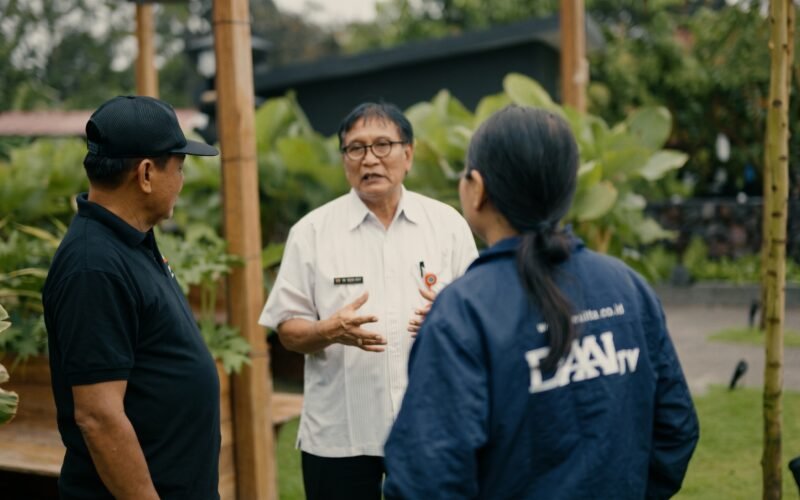
DAAI TV coverage at Cepaka Learning Center on November 12, 2026 filmed the pyrolysis machine and interviewed the COCO Social Fund team.

A Dutch journalist visit to Cepaka Learning Center put plastic pyrolysis in the spotlight amid Bali's fuel shortage and plastic waste problem.