We often look at culture as a show, a beautiful costume or a synchronized dance meant for a stage. But for the villagers of Desa Pedawa in North Bali, culture isn’t a performance. It is a vital way of maintaining the balance of life.
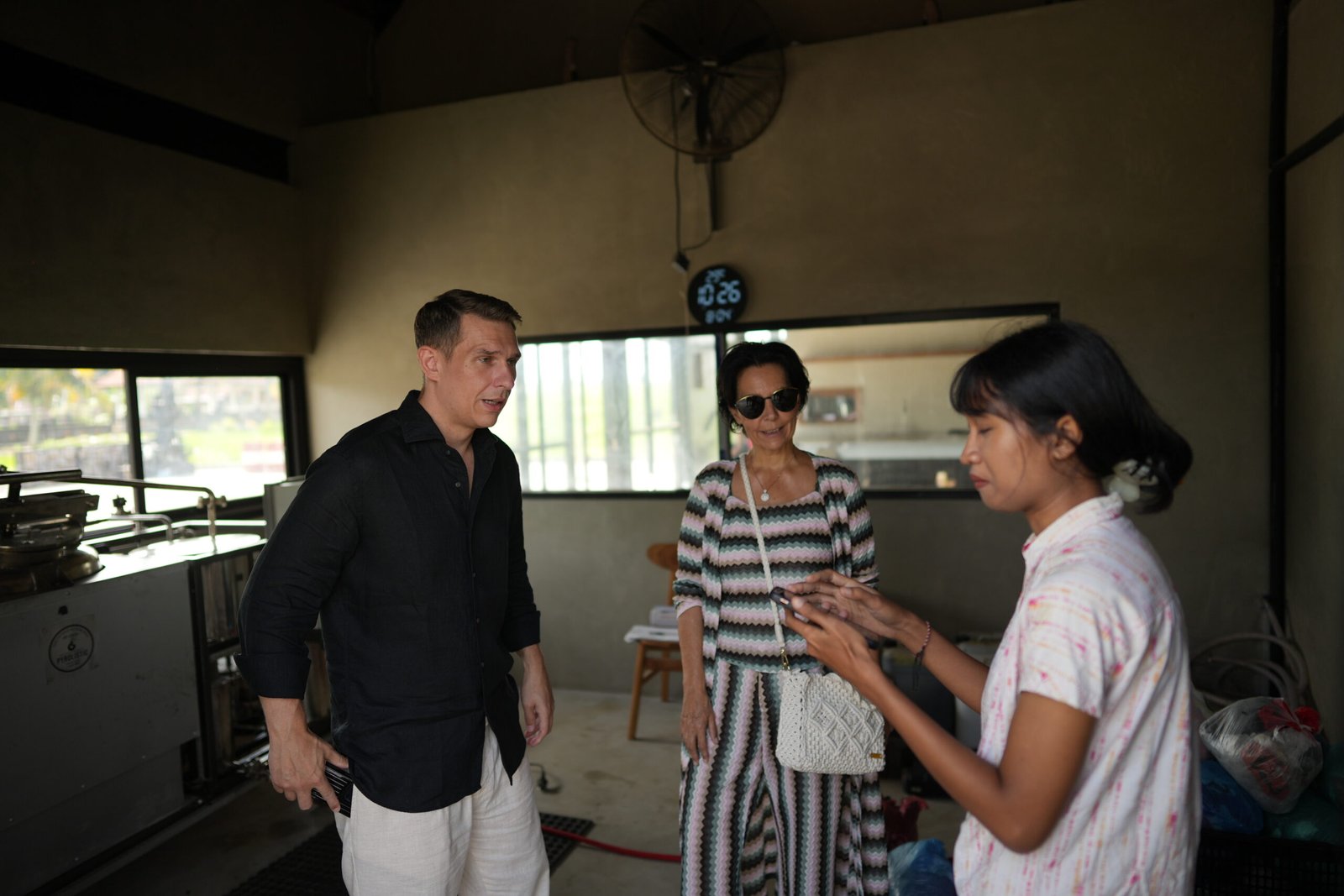
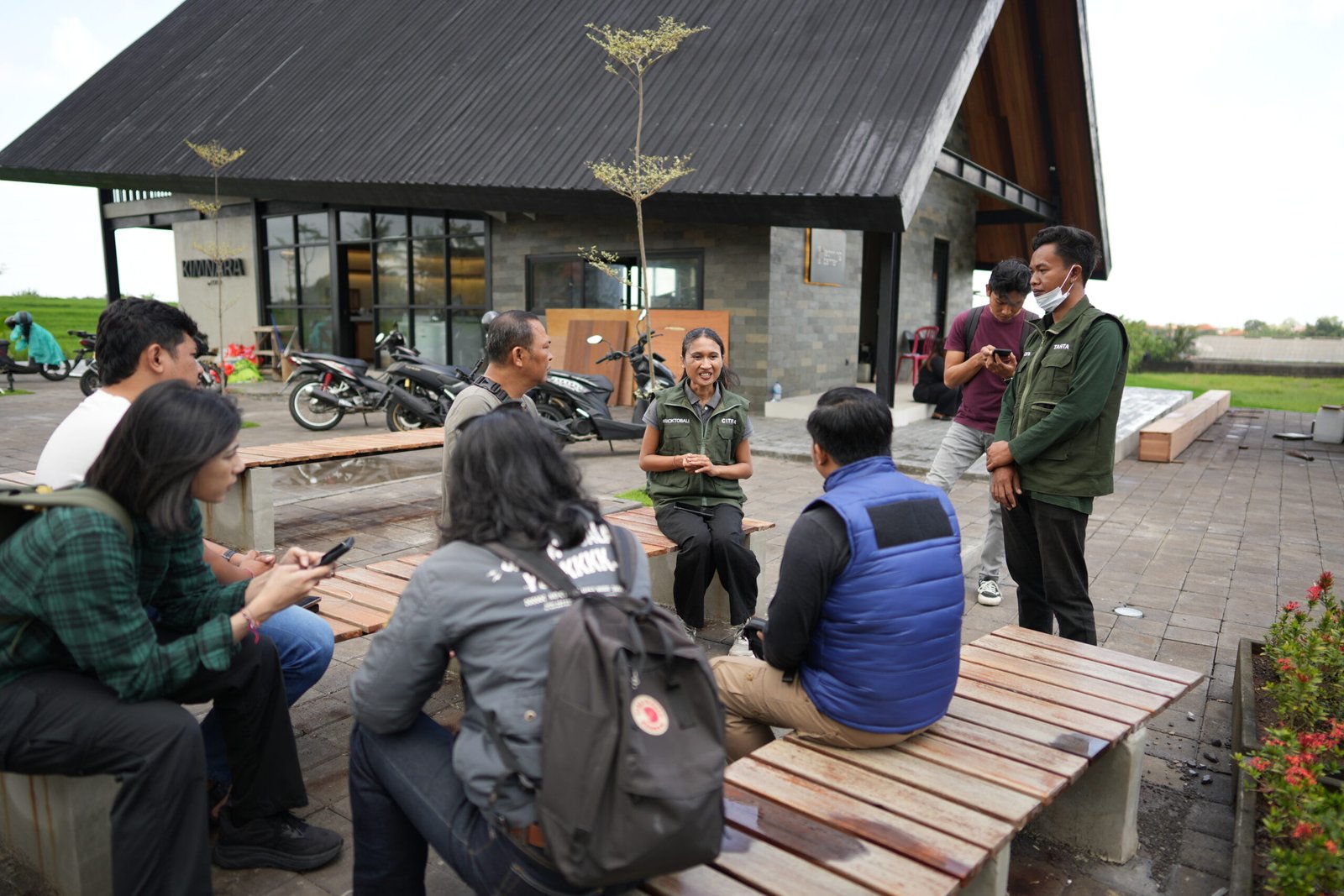
Recently, the COCO Social Fund team had the rare privilege of documenting a series of traditional ceremonies in this unique Bali Aga village. One of the few remaining ancient Balinese settlements, Pedawa still breathes with the traditions of its ancestors, untouched by the rush of the modern world.
Cooking as a Sacred Bond
One of the most striking rituals we witnessed was the communal cooking over open fires using bamboo. In a world of instant convenience, this wasn’t just about preparing a meal; it was a powerful symbol of Gotong Royong (mutual cooperation).
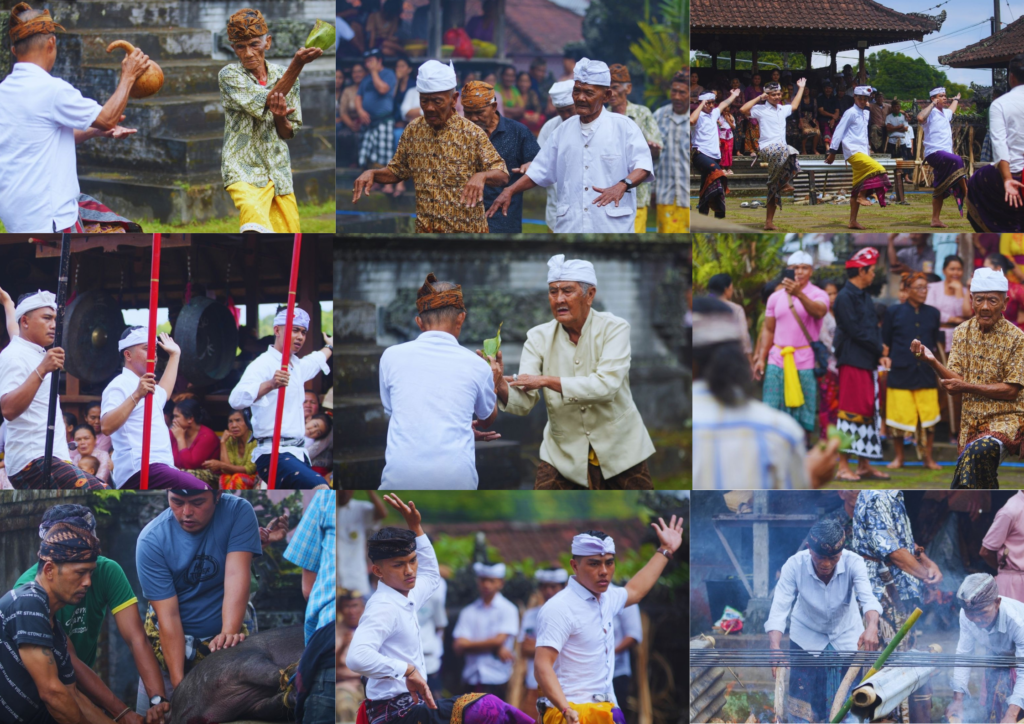
Every crackle of the fire and every bamboo vessel used represented the deep, unbreakable connection between the villagers, their community, and the nature that sustains them. It is a system of living that has remained unchanged for hundreds of years.
The Sacred Dance: Tari Rejang of Pedawa
As part of the Saba Ngelemekin traditional ceremony, we were honored to witness the Tari Rejang from Desa Pedawa.
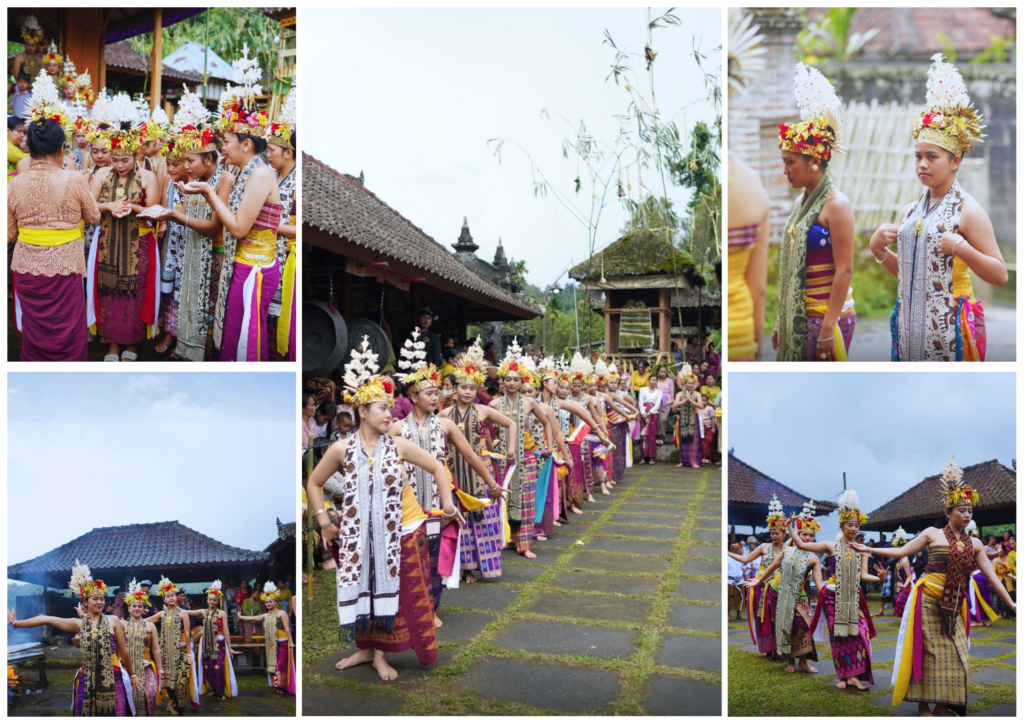
Unlike many dances seen in tourist hubs, this is a sacred offering. Performed by the deha (unmarried young women of the village), every movement is a holy dedication to Ida Bhatara (the deities). In their graceful steps, you can see:
- Purity: A sincere devotion from the heart.
- Harmony: The balance between the spiritual and the physical.
- Continuity: A tradition passed down through generations, ensuring the village’s spiritual flame never goes out.
Why Documentation Matters
At Coco Social Fund, we believe that documenting culture is about more than just taking a “pretty photo.” It’s about recording knowledge, values, and a way of life that might one day disappear if its story isn’t told.
Culture doesn’t always need to change to stay “relevant.” Sometimes, we are the ones who need to slow down and learn, so that we can truly understand what it means to live in balance with the earth and our ancestors.
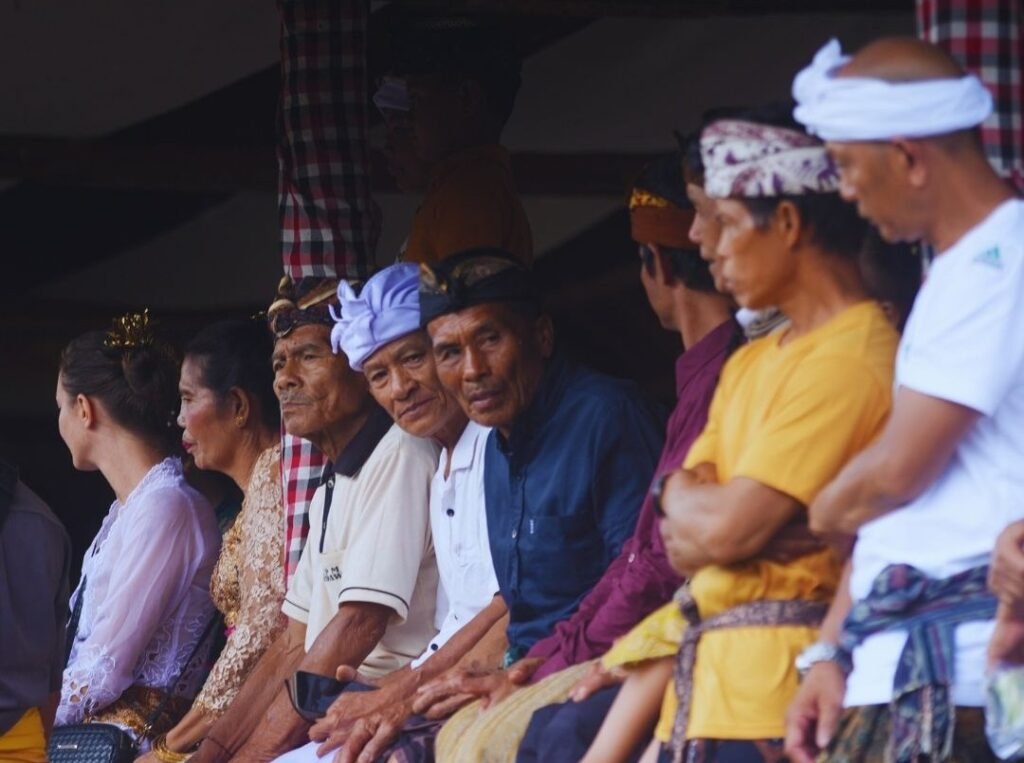
Desa Pedawa isn’t just a place from the past; it is a lesson for our future.