

This recent initiative in Desa Cepaka is a powerful example of what happens when a community decides to take its future into its own hands. At the Coco Social Fund, we believe that real change doesn’t just come from technology, it comes from the heart of the village.
Here is the story of how tradition and innovation are coming together to keep Desa Cepaka clean, green, and thriving.
Rooted in Tradition, Built for the Future: Revolutionizing Waste Management in Desa Cepaka
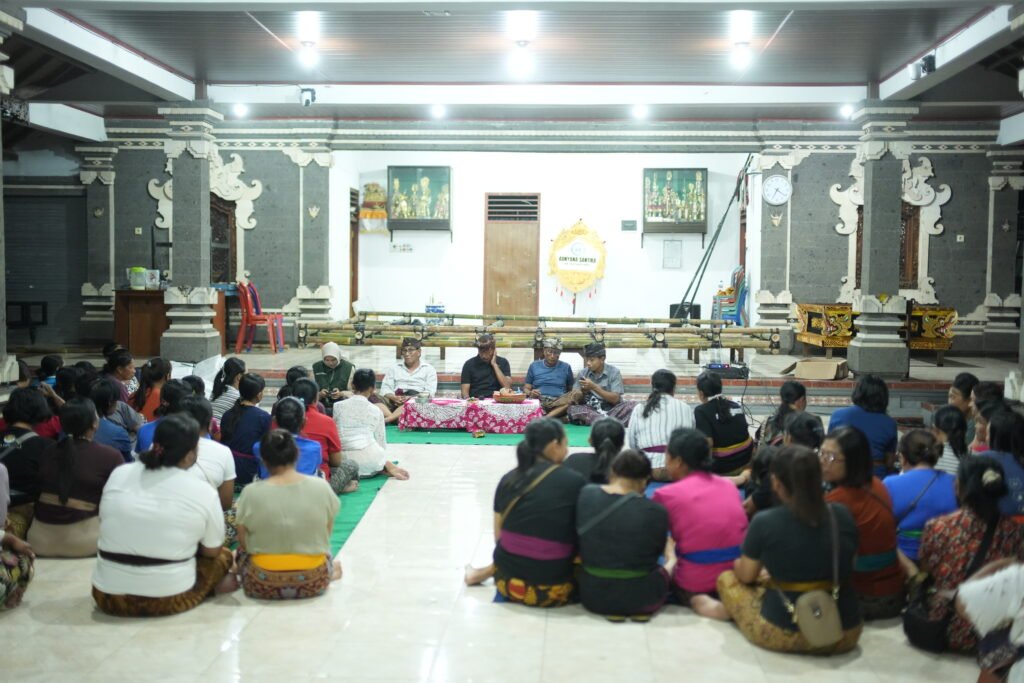
In the heart of Bali, tradition isn’t just a thing of the past; it is a living, breathing guide for how we treat each other and our land. Recently, Coco Social Fund supported a major socialization movement across Desa Cepaka to transform how the village handles waste.
A Village-Wide Commitment
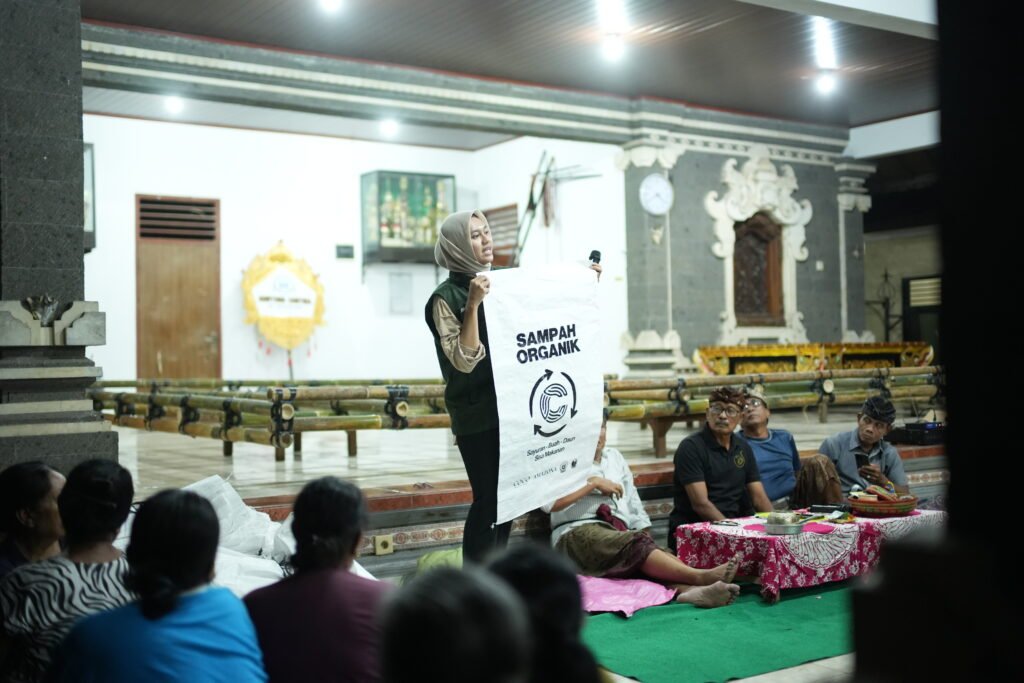
This wasn’t just a small meeting. We reached out to multiple Banjars, connecting with over 440 households to ensure everyone is part of the solution. The goal is simple but ambitious: to implement a waste-sorting system that starts right at the kitchen table.
The Power of Collaboration: Customary Laws Meet Modern Action
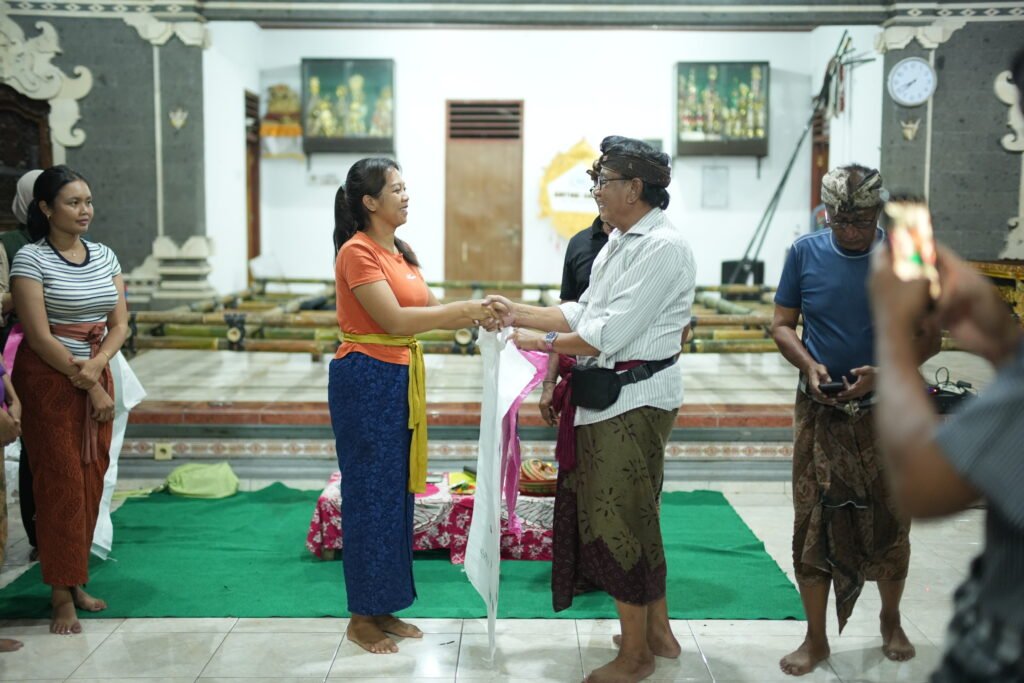
What made this socialization truly special was the unified front from local leadership:
- The Power of Pararem: The Bendesa (traditional village head) shared the importance of pararem, our customary regulations. By rooting waste management in traditional law, the community is reminded that protecting the environment is a sacred duty.
- Administrative Support: The Perbekel (administrative village head) explained the practical side, detailing exactly how waste collection will now be managed to ensure efficiency.
The Three-Pillar System: Organic, Inorganic, and Residue
To make the transition easier, Coco Social Fund provided specialized sacks to households, helping everyone categorize their waste into three clear streams:
- Organic Waste: Residents are encouraged to manage this at home using traditional or modern methods like biopori or a “modern teba” to turn waste into compost for their own gardens.
- Inorganic Waste: This is collected by the BUMDes (Village-Owned Enterprise). From there, it is either sold for recycling or processed through innovative pyrolysis technology, which turns plastic waste directly into fuel.
- Residue Waste: This is the non-recyclable material that is collected and transported to the landfill (TPA), ensuring it doesn’t end up in our rivers or streets.
Why It Matters
By sorting at the source, Desa Cepaka is significantly reducing the amount of trash sent to landfills while creating a “circular economy” where plastic becomes a resource rather than a burden.
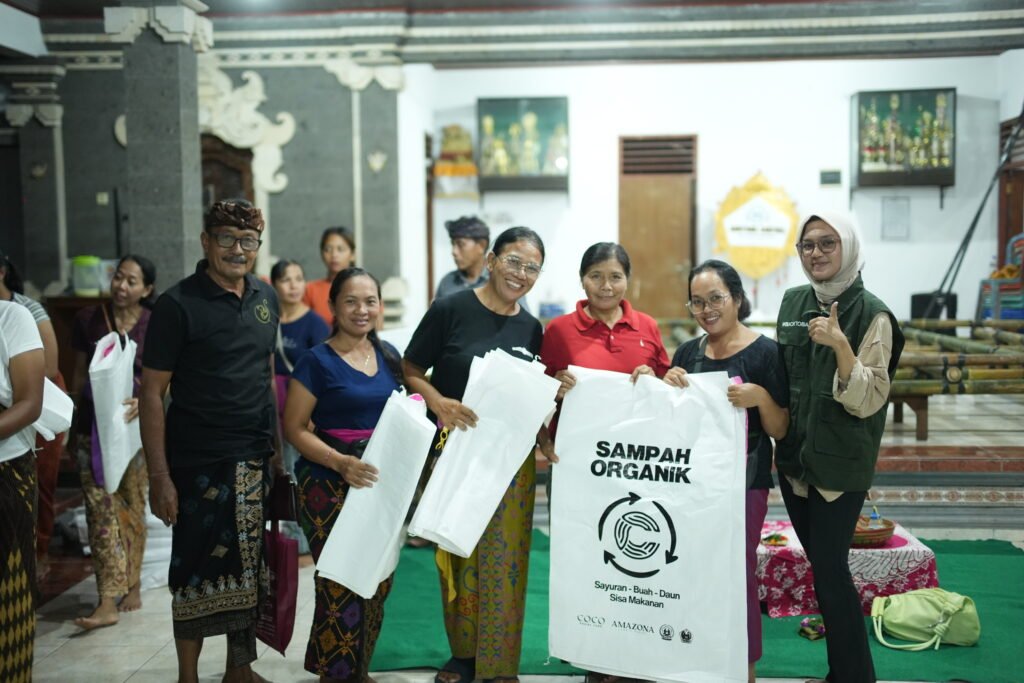
This initiative is more than just a cleaning project; it’s a lesson in Ngayah (devotional service) for our shared home. It proves that when we provide the right tools and education, every household becomes a guardian of the environment. We are incredibly proud of the enthusiasm shown by the residents of Desa Cepaka. This is a journey we are taking together; one sack, one household, and one Banjar at a time.
Stay tuned for more updates as we continue to support local communities in building a sustainable and beautiful Bali.