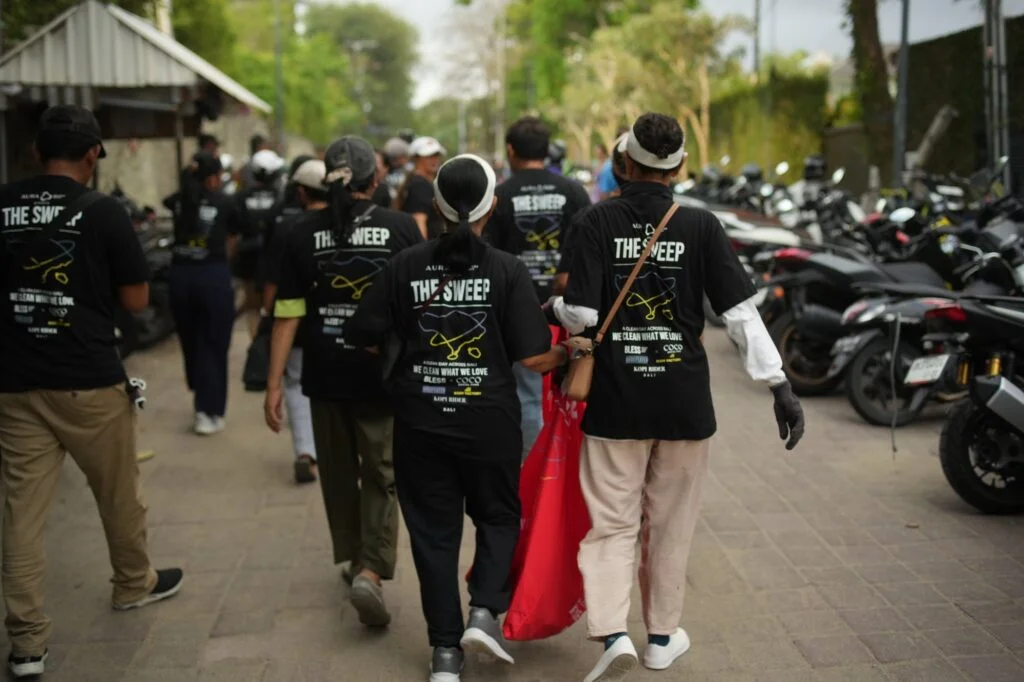
On Sunday afternoon, November 8, 2026, more than 500 volunteers took to the streets of Canggu. In ten groups, they worked roadsides and drainage channels for nearly three hours. In the end, The Sweep IV collected 419.95 kilograms of trash, and part of its plastic is now moving through the processing line at Cepaka Learning Center.
Canggu, Tourism, and Wind-Blown Trash
Canggu is growing fast. Every season brings more accommodation, more cafés, and more visitors. Every new arrival raises the question of how to keep the economy, social life, and the environment in balance.
Nature adds to the challenge. Strong winds sweep trash into drains, then into rivers and marine habitats. As a result, plastic pollution grows along with tourism infrastructure.
The Sweep IV: Holding the Gains, Widening the Circle
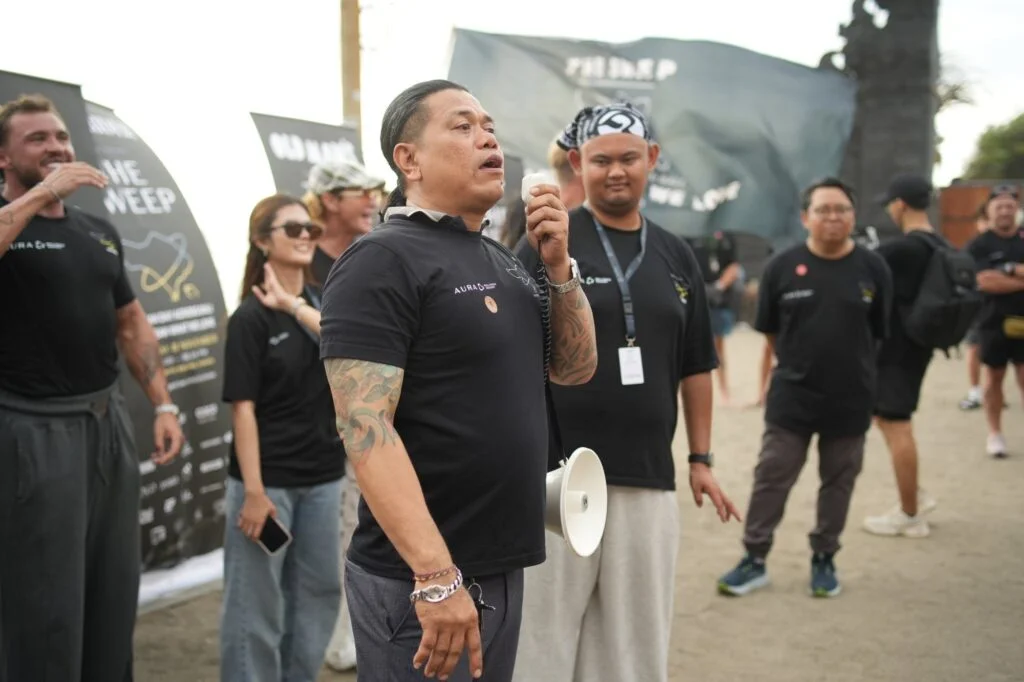
The Sweep IV picks up where the last edition left off. The Sweep III succeeded in cleaning all ten routes, and that result set the bar for what came next. This time the aim was twofold: hold on to what had been achieved, and bring in more volunteers and partners to support the program.
Tourists were included too. According to the activity report, tourists’ awareness of waste management plays a part in collaboration among stakeholders. By bringing tourism and volunteering together, problems like plastic waste can be tackled directly on the ground.
Each group took one of ten predetermined routes. Together, the routes span about 8.6 kilometers. The focus was roadsides and drainage areas, the path trash takes before washing into rivers.
Along the routes, volunteers collected inorganic waste. The Cepaka Learning Center team then sorted it into seven plastic types: LDPE, HDPE, PP, PS, PVC, PET, and Others. The sorted waste went to BUMDes Cepaka (the village-owned enterprise) before heading to Cepaka Learning Center for further processing.
Read also: Same Beach, Trash Again: The Sweep Bali Third Edition
Where the 419.95 kg of Trash Goes
Collection is only the first step. The activity report describes the path the trash takes next. Local sorters check the waste to identify suitable material. This step matters because some plastic types contain chemicals that could damage the pyrolysis equipment.
Plastics that are safe to process, namely LDPE, PP, PS, and Other, are converted into diesel and gasoline using pyrolysis technology at Cepaka Learning Center. The process heats plastic until it breaks down, then cools the vapor into liquid fuel. Of The Sweep IV’s total, the report records 24.85 kilograms of plastic already processed through pyrolysis.
Backed by Many Partners
The Sweep IV involved more than twenty partners from different backgrounds. From the business side came gyms, cafés, restaurants, beauty studios, and resorts around Canggu and Pererenan. From the community side, BLESS and RESCUE 2000 took part. Desa Adat and Desa Dinas Cepaka, Yayasan Putra Jaya Cepaka, and DPRD Tabanan were also listed as stakeholders.
The format is easy for prospective partners to grasp. Employees and customers can take part directly, results are recorded in kilograms, and the processing path can be traced. That’s what makes The Sweep relevant to companies weighing a CSR program in Bali.
Keeping the same routes from edition to edition also makes measurement easier, a pattern other social foundations in Bali could use for regular clean-ups.
Closing Thoughts: From Canggu’s Streets to the Machine in Cepaka
The Sweep IV traced trash from Canggu’s roadsides all the way to the pyrolysis machine in Cepaka Village. More than 500 volunteers took part, and some of the plastic they collected has already been processed through pyrolysis.
If you live in or visit Canggu, one small habit helps: don’t leave plastic waste by the roadside or near a drain, even briefly. Wind and rain can carry it into the waterways. To join the next edition, follow COCO Social Fund’s official channels.