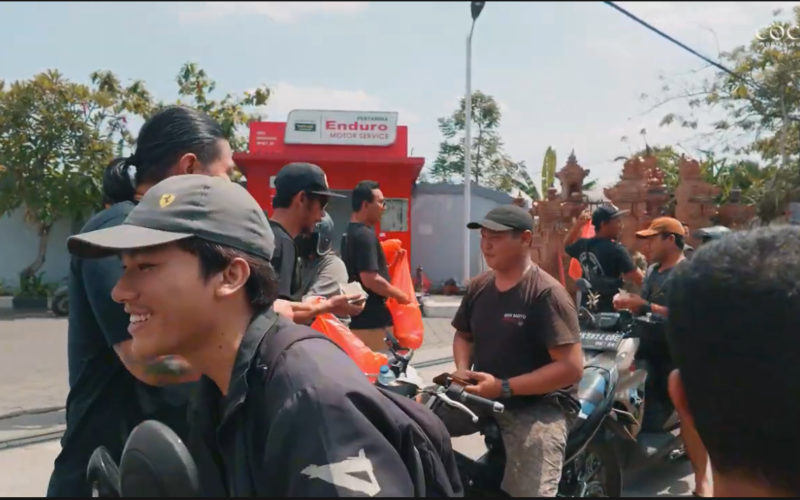
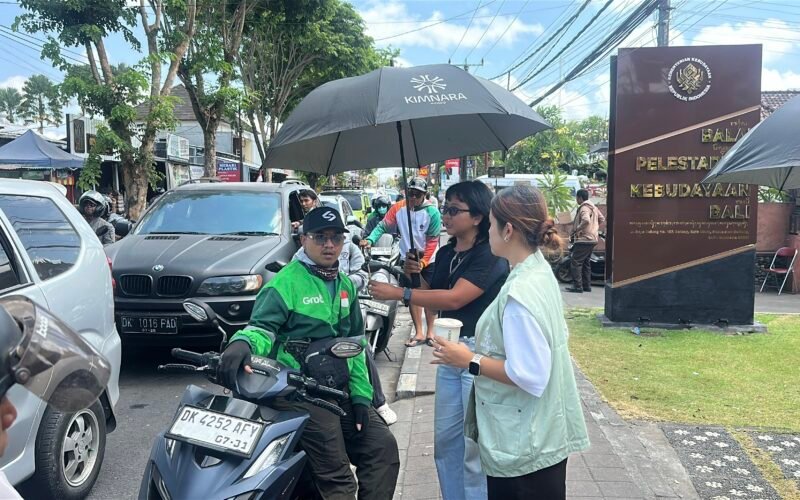
A machine that disappeared from public view for a while, raised questions, then came back with a set of updates. It sounds like an ordinary piece of tech drama, until it lands on one moment: the Grand Opening of Cepaka Learning Center, September 26, 2026, in Cepaka Village, Tabanan. The facility officially opened to the public. What stands out here isn’t the opening ceremony itself. What stands out is what happens once the doors swing wide.
Cepaka Learning Center isn’t just a gathering space. It serves as a hub for education, collaboration, and the development of waste management programs initiated by COCO Social Fund, with plastic-to-fuel processing through pyrolysis technology as its flagship program.
A Road to Opening Day That Wasn’t Straightforward
The path to this grand opening wasn’t a clean, straight line. The pyrolysis machine at the heart of Cepaka Learning Center faced a range of public questions, from how effective it actually is, to the quality of the fuel it produces, to how the residue from processing gets handled.
The machine was taken out for improvement and optimization, and has now returned with a number of updates. This phase deserves an honest read: it doesn’t mean every question has been fully answered now that the machine is back in operation. The work of proving its performance and continuing to refine how it’s managed is still ongoing, and will likely stay that way for some time.
The Value of Honesty Behind This Announcement
There’s a strong temptation for any organization to gloss over the rough edges when announcing something new. Grand Opening Cepaka Learning Center took a different path. Rather than projecting an image that every problem has been solved, the story being told openly admits that turning waste into fuel isn’t only about producing fuel. It’s also about managing the entire process responsibly.
That approach carries both risk and value. The risk: the public might question the facility’s readiness once its challenges get stated openly. The value: trust built on honesty tends to hold up longer than a polished image that collapses the moment a problem surfaces later.
Read also: THE SWEEP Bali Third Edition: Same Beach, Trash Again
From Plastic Waste to the Village’s Own Operational Needs
One thing that sets Cepaka Learning Center apart from a simple showcase facility is what its output actually gets used for. Fuel produced through pyrolysis supports Cepaka Village’s own operational needs, rather than sitting there purely as a demonstration piece.
Directing the processed output straight toward village needs gives residents a concrete reason to care about this program’s success. If the fuel powers operational vehicles or the village generator, the benefit lands directly. It isn’t just a statistic buried in a foundation’s annual report.
This approach also feeds into a broader picture of community empowerment in Cepaka Village. Residents aren’t just spectators watching a piece of technology on display. They’re direct beneficiaries of what a facility standing in their own village produces.
Cepaka Learning Center as a Learning Space and Educational Tourism Destination
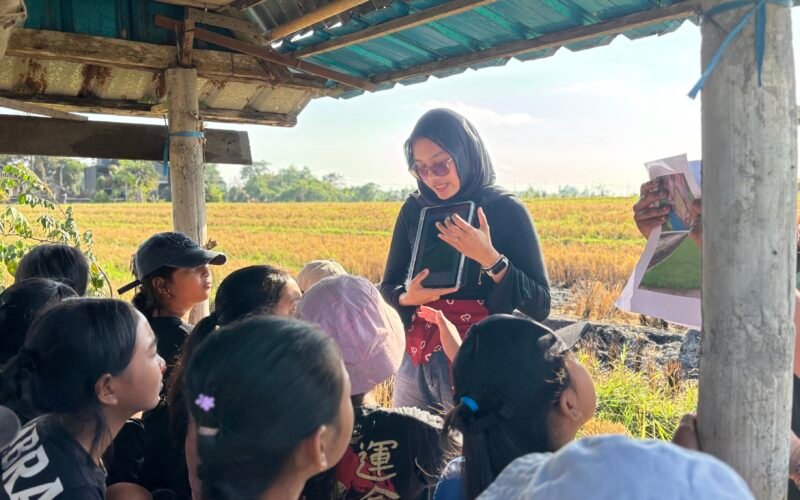
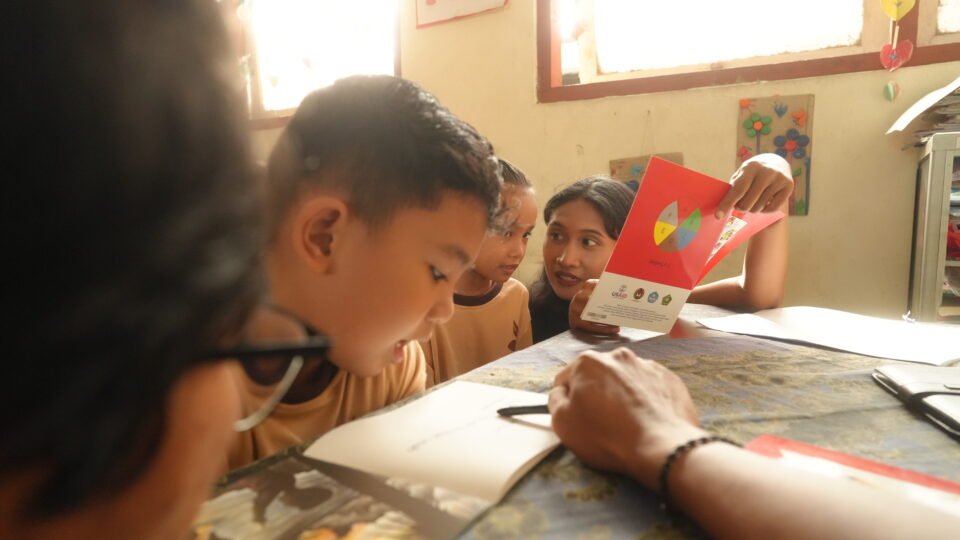
By opening to the public, Cepaka Learning Center opens up new potential as an educational tourism destination. Visitors curious about pyrolysis technology, or simply wanting to see firsthand how plastic waste can turn into fuel, now have a way to come and watch it happen.
That format offers something different from most educational tourism experiences. Visitors don’t just see a polished, finished process. They’re also invited to understand that this technology is still being tested and refined. There’s real educational value in watching an innovation that’s honest about its limits, rather than a presentation too polished to feel real.
For other social foundations in Bali running similar programs, the way Cepaka Learning Center announced its grand opening offers a useful example of honest public communication. Acknowledging unresolved challenges, instead of covering them up, can build stronger long-term credibility.
For any company or partner weighing a CSR program in Bali, that kind of openness sends an important signal too. Programs willing to admit their limitations tend to be more ready to accept real feedback and collaboration, compared to ones that always look perfect on the surface but stay closed off to evaluation.
Closing Thoughts: The Courage to Keep Trying
Grand Opening Cepaka Learning Center marks a new chapter. This isn’t a final one. Through this program, COCO Social Fund wants to show that managing waste takes courage to try, openness to evaluation, and a commitment to keep improving. This isn’t a promise that every problem got solved the moment the doors opened.
The more interesting question to sit with now has stopped being whether the machine is perfect. The question now is whether pyrolysis technology can become one real alternative for tackling Indonesia’s plastic waste problem, and what the biggest remaining challenge still needs answering. If you have a view on that, drop it in the comments, and follow Cepaka Learning Center’s next steps through COCO Social Fund’s official channels.