COCO Social Fund

Pyrolysis

How the Cepaka Learning Center turns the plastic nobody else wants into fuel for the village — and keeps the value in the community.

Fuel From Plastic

Fuel the village actually uses

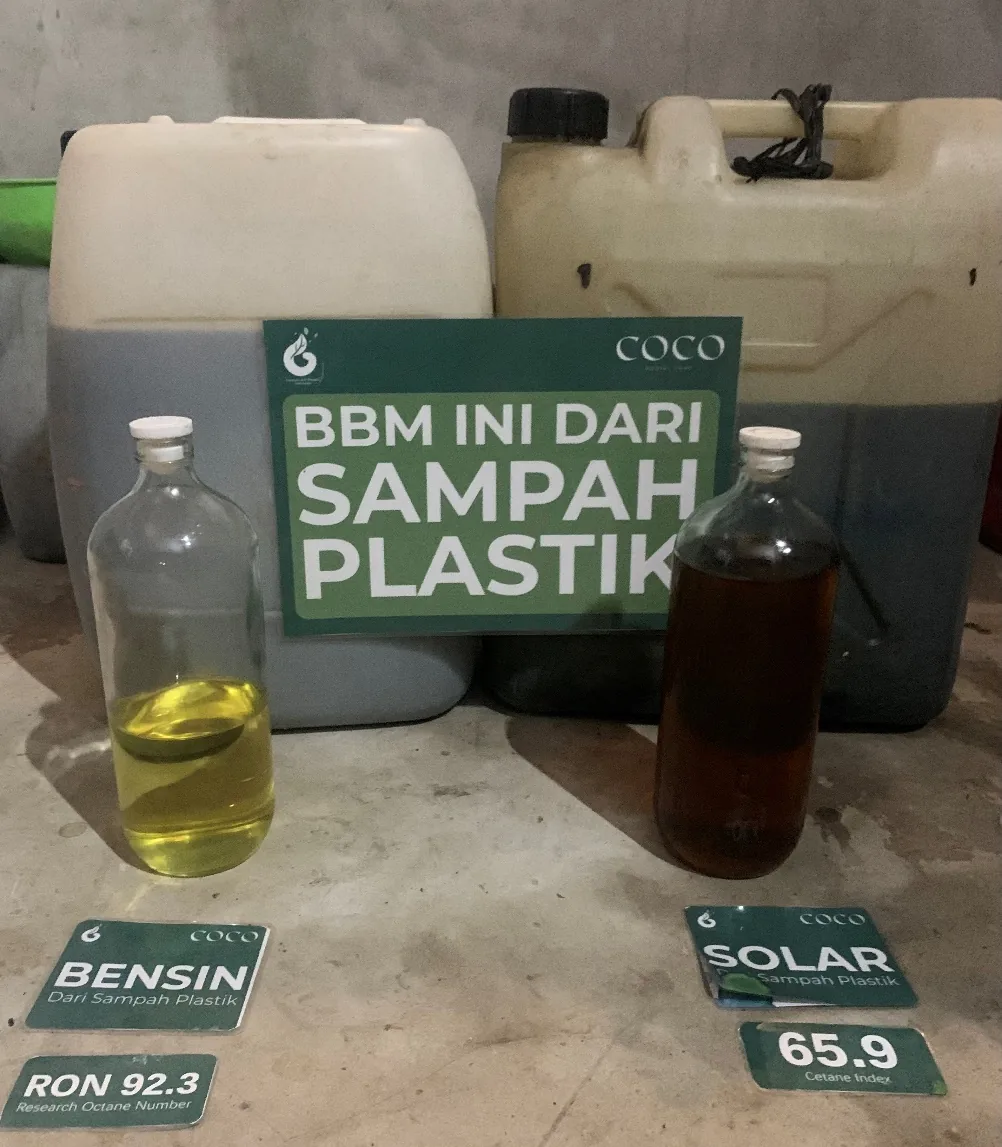
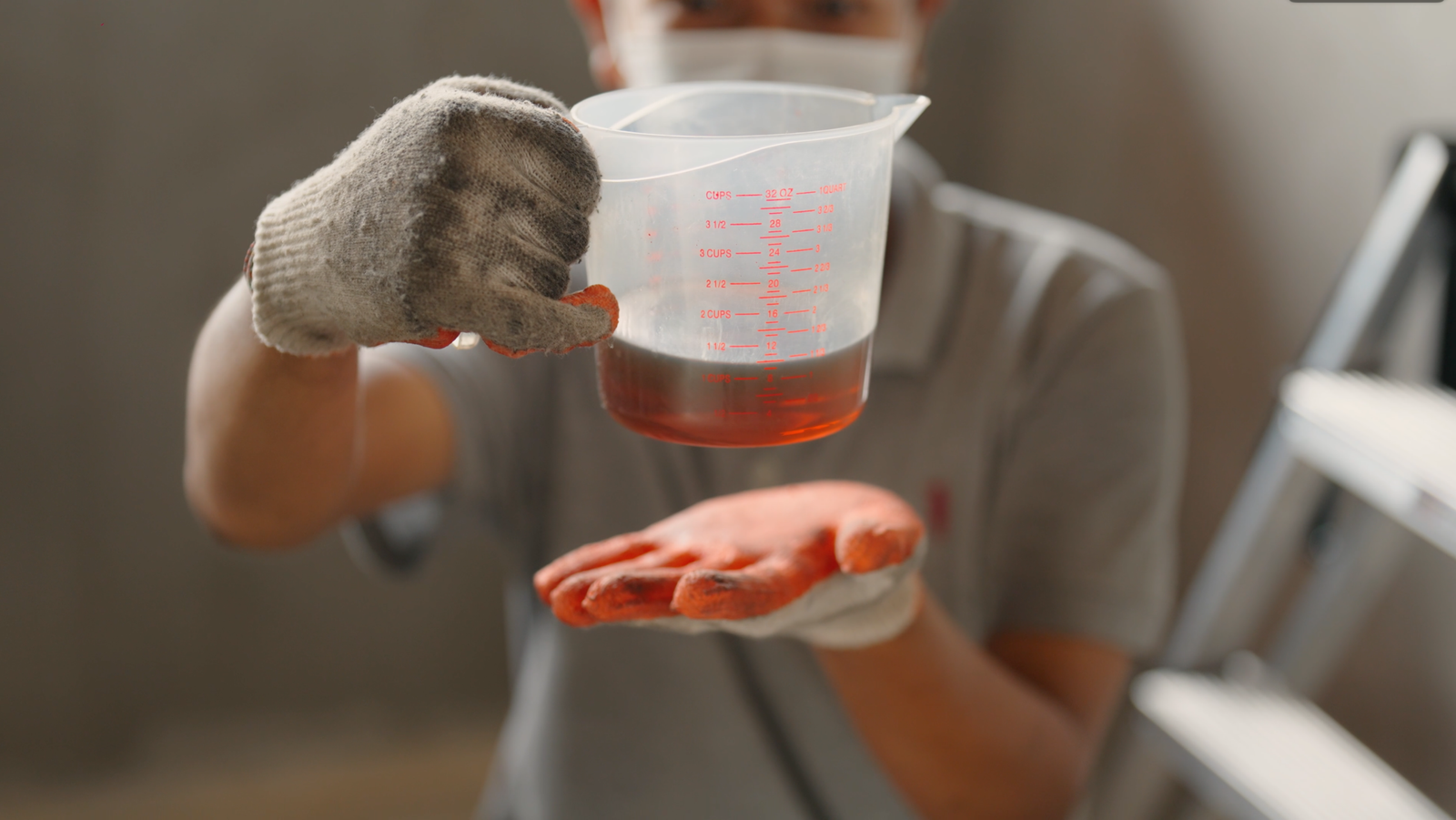
Heated without oxygen at the Cepaka Learning Center, sorted plastic becomes gasoline (bensin), diesel (solar) and kerosene. The fuel goes straight back into village work: farm tractors, the waste collection truck and land-clearing equipment.

Nothing is left over. The black carbon that remains after pyrolysis is upcycled into vases, ashtrays and coasters.

Research Octane Number of our gasoline from plastic
RON 92.3
Cetane Index of our diesel from plastic
65.9
See the black carbon products
Bottles of gasoline and diesel made from plastic waste at the Cepaka plant, labelled RON 92.3 and Cetane Index 65.9
Live Data

Impact Overview

From Plastic Waste to Power: Proven Efficiency of Our Pyrolysis System.

Sorted waste processing facility
Total Sorted
511.10 KG

*This data is updated daily

Diesel
243.17 L
Bensin
12.80 L
Conversion
52.3 %

Composition

PET 0.2% HDPE 0.8% PVC 0.0% LDPE 85.5% PP 2.9% PS 2.7% Other 7.9%
7 Types
PET
HDPE
PVC
LDPE
PP
PS
Other

Yield

243.2L
Diesel
12.8L
Bensin
42.3kg
Residu
Community impact
Pyrolysis runs
70
runs
Volunteer engagements
0
volunteer engagements (cumulative)
Beneficiaries
0
people reached (cumulative)
Waste collected
0.0 kg
from clean-up activities
Waste types

What goes into the machine — and what does not

Every household sorts its waste into three bags. Only part of the plastic stream ends up in the pyrolysis machine: our operators sort seven types of plastic and take out the ones that would contaminate the fuel.

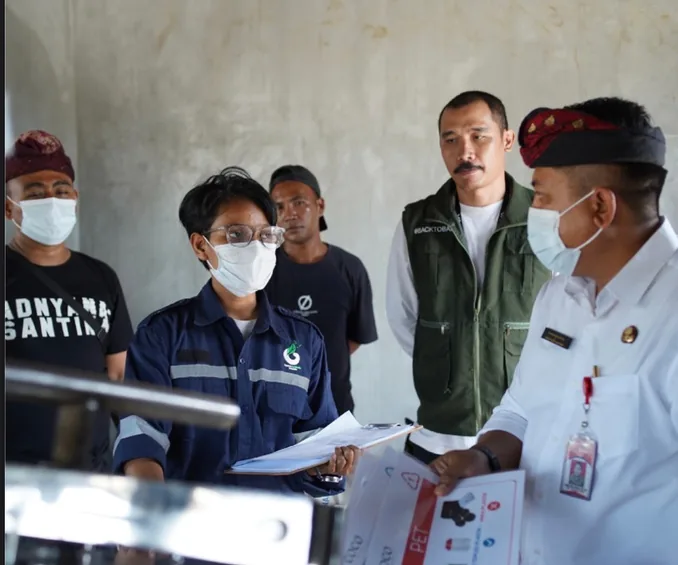
A COCO pyrolysis operator reviewing plastic sorting records with village officials at the Cepaka Learning Center
The Model

A closed loop owned by the village

Most waste programmes stop at collection. Ours continues until the material comes back to the village as something useful — which is what keeps the community taking part.

  1. Households sort

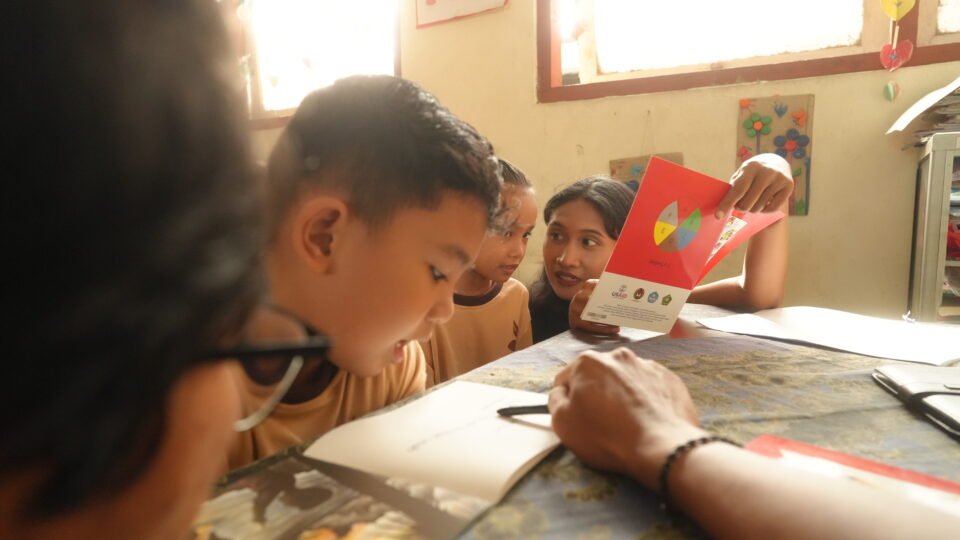
    Residents separate organic, inorganic and residual waste at home, using three bags we provide.

  2. BUMDes collects

    The village-owned enterprise collects the sorted waste on a fixed schedule, and we monitor consistency.

  3. Plastic is graded

    Plastic is sorted by resin type. PVC and PET are taken out; LDPE and multilayer film go forward.

  4. Pyrolysis converts

    Heated without oxygen at the Cepaka Learning Center, low-value plastic becomes diesel, gasoline and kerosene.

  5. The village uses the fuel

    The diesel runs farm tractors, the waste collection truck and land-clearing equipment.

The loop closes here: fuel made from village waste powers the vehicles that collect the next batch of village waste.

The structural economy

Where the value goes

Waste is processed in the village, so the benefit stays in the village. Every product of the machine has a place in the local economy, and every visit and sale funds the next round of work.

A COCO pyrolysis operator reviewing plastic sorting records with village officials at the Cepaka Learning Center
Enlarged view
WhatsApp