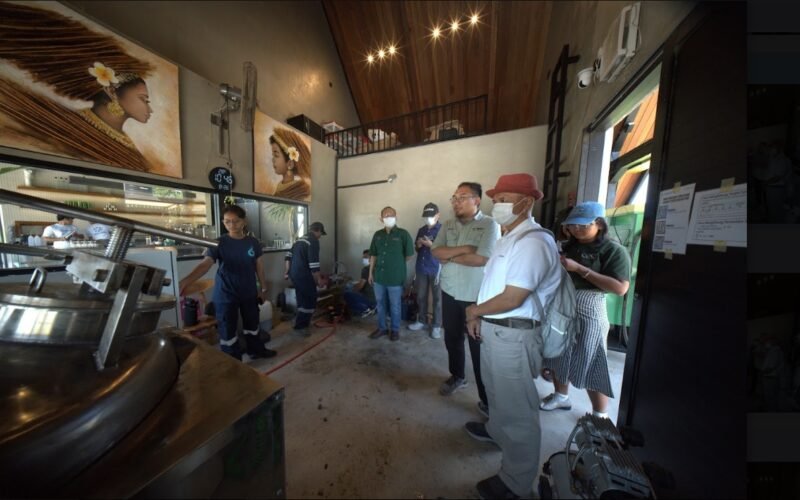
When implementing advanced green technology, success isn’t just about turning the machine on—it’s about building the local capacity to run it safely, efficiently, and sustainably.
We just wrapped up an intensive 7-day Pyrolysis Training Program with Get Plastic Indonesia, guiding our local operators from the absolute basics of plastic sorting to completely mastering a cutting-edge waste-to-energy system. Here is a look at how our team turned plastic waste into a valuable fuel source over the course of a week.
The Journey to Technical Mastery
- The Foundation (Days 1 & 2): We kicked off the week focusing on precision. Operators learned the critical first step—sorting and preparing different types of plastic waste.
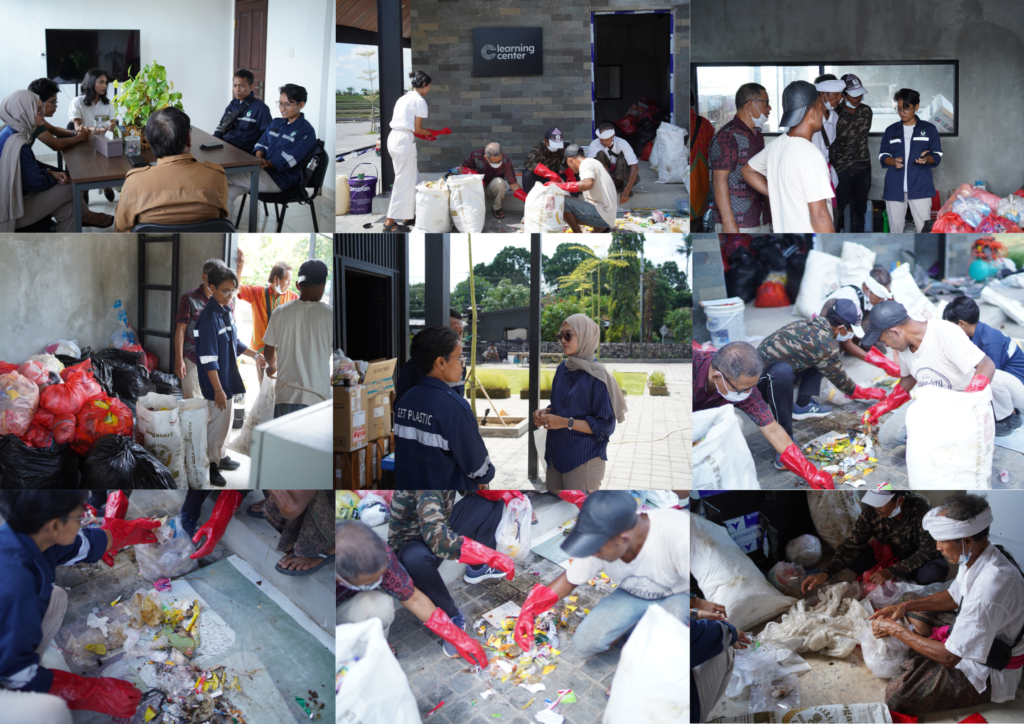
By Day 2, they successfully fired up the system, witnessing the incredible transformation of raw plastic into high-quality synthetic solar fuel for the first time.
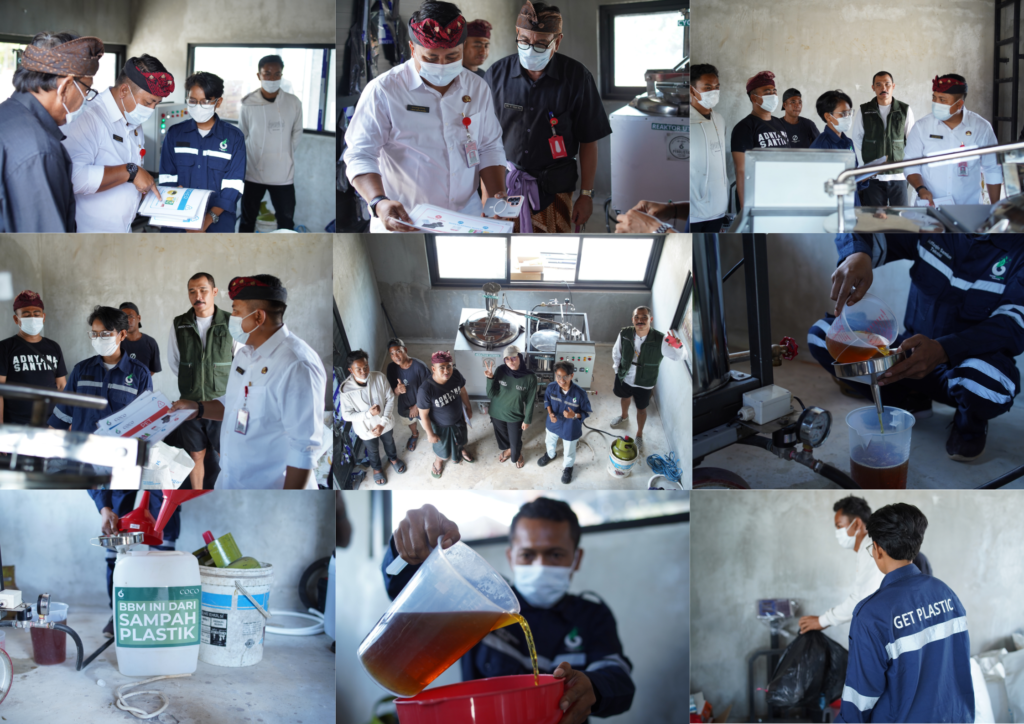
- Stepping Up Independence (Day 4): This was a major milestone. With minimal supervision, our operators took total control of the machinery—independently loading the raw materials, monitoring the high-temperature parameters, and managing the entire energy-conversion process from start to finish.
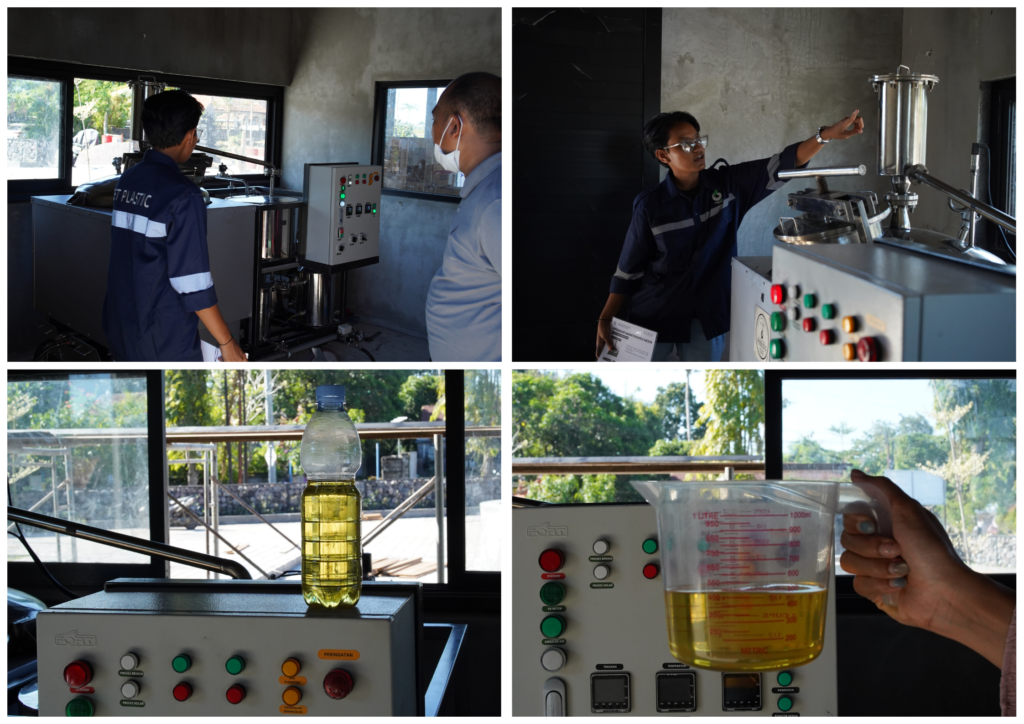
- Pushing the Limits (Days 6 & 7): To ensure real-world readiness, the final days focused on complex operations. The team successfully configured the machine to produce both solar fuel and gasoline simultaneously. They also tested the system using challenging, heavily soiled plastics and complex multi-layer packaging, proving that even the most stubborn waste can be diverted from landfills and repurposed.
Closing the Loop: Managing the Residuals (Day 3 & 5)
One of the most frequent questions we get is: “Once the plastic turns into fuel, what happens to whatever is left behind?”
True sustainability means leaving no waste behind. On Days 3 and 5, our team dove deep into managing black carbon residue—the byproduct of the pyrolysis process. Instead of letting this residue end up back in a landfill, we explored how to upcycle it into useful products like heavy-duty casting blocks and nutrient-rich soil conditioners for agriculture.
Safety and Longevity Through Routine Maintenance
Great technology is only as good as the care it receives. On Day 5, our operators rolled up their sleeves for comprehensive machine maintenance. The team mastered the technical cleaning of vital components—including the cyclone, gas pipes, separators, and condensers. Keeping these parts pristine ensures the machine operates at peak performance while maintaining strict safety standards.
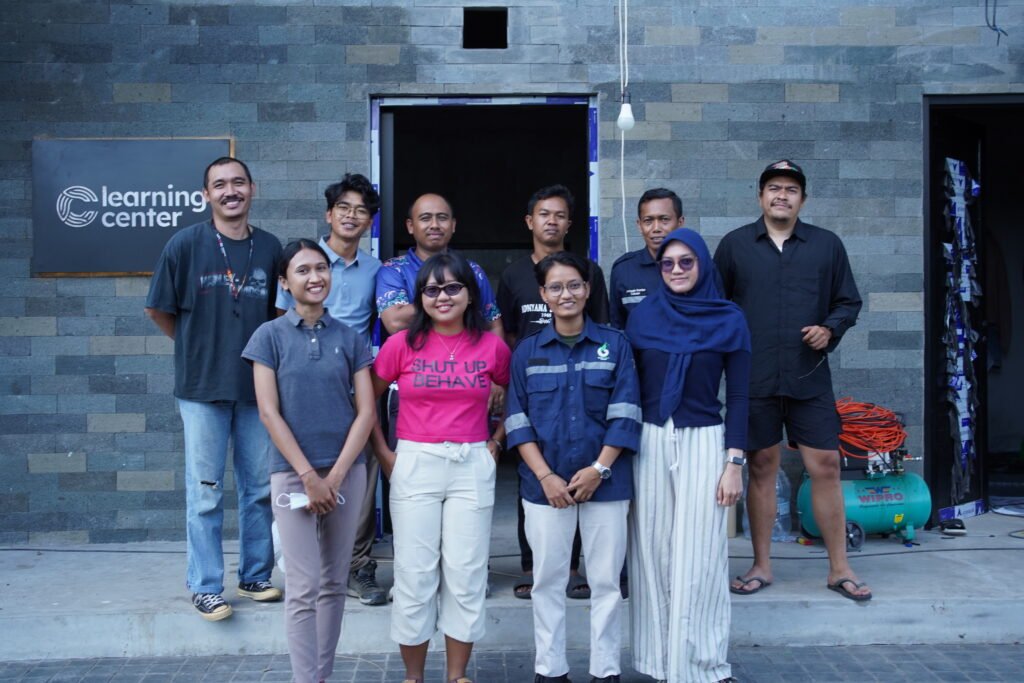
By the end of this 7-day journey, our team didn’t just learn how to run a machine; they became pioneers of a localized circular economy, proving that with the right training, we can turn Bali’s plastic challenges into sustainable energy solutions.